
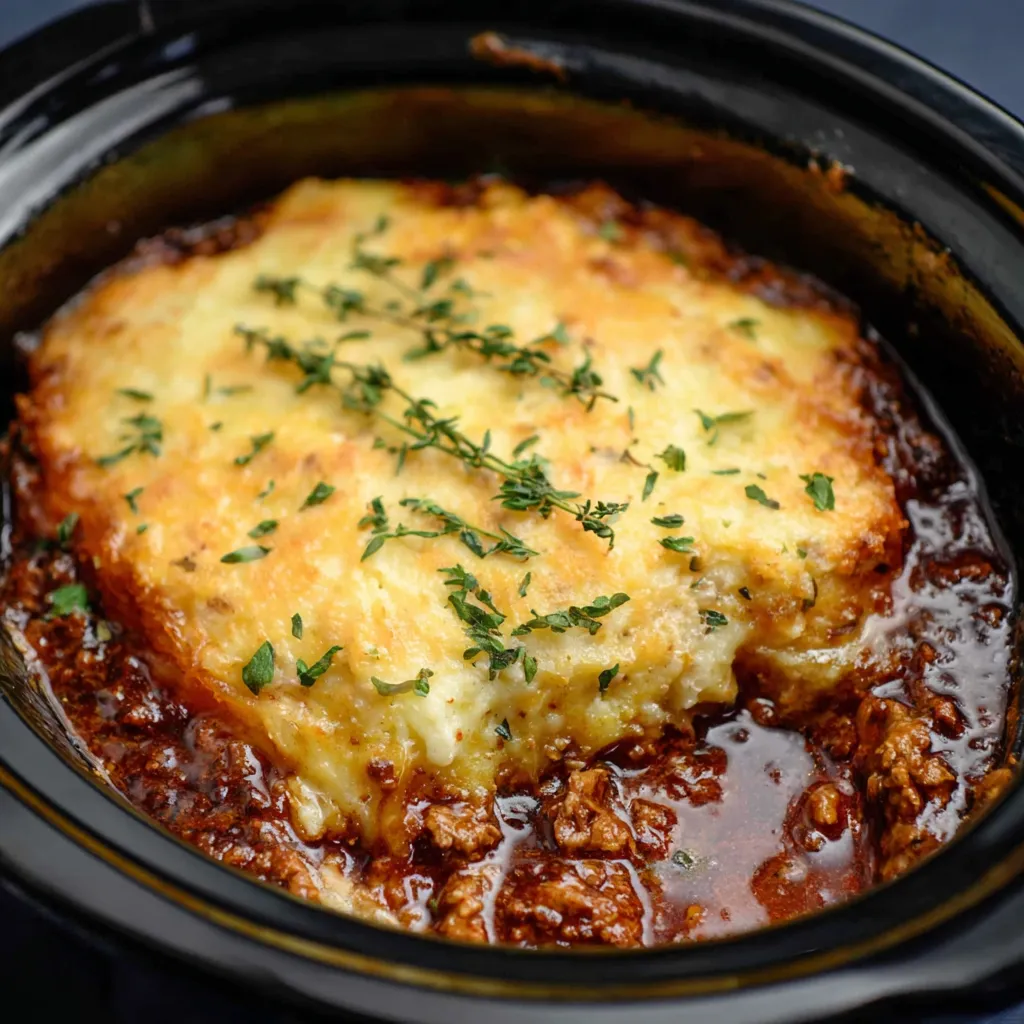
Blooming your tomato paste and aromatics in the hot rendered beef fat is the single most important step for transforming a basic meat pie into a restaurant-quality beef shepherd’s pie.
While many recipes simply toss everything into the pot and hope for the best, this layering of flavors creates a rich, umami-packed gravy that binds the meat and vegetables together.
Think of this as the ultimate comfort food hug in a casserole dish, perfected through years of trial, error, and plenty of taste-testing in my own kitchen.
We are going to move beyond the bland, watery versions you might have encountered at school cafeterias or uninspired diners.
By focusing on a few key techniques—like browning the meat properly and achieving the perfect mash-to-meat ratio—you will create a dish that your family will request week after week.
Technically, because we are using beef instead of lamb, some might call this a “Cottage Pie,” but here in our kitchen, we celebrate the classic “Shepherd’s Pie” name that we all grew up loving.
Recipe Success Key
- Deep Maillard Reaction (Flavor): By searing the beef until it is truly browned—not just grey—you develop complex flavor compounds that serve as the backbone of the entire dish.
- The Tomato Paste Bloom (Technique): Cooking the tomato paste for two minutes until it turns a brick-red color removes the “tinny” raw taste and adds incredible sweetness and depth.
- Starch Control (Result): Using the right potato variety and mashing technique ensures a topping that is fluffy and golden, rather than gummy or heavy.
The Essential Components
To make the absolute best beef shepherd’s pie, you need to start with quality ingredients that each play a specific role in the final flavor profile.
This isn’t just about what you put in the pot, but why you are putting it there to ensure a balanced, savory experience in every bite.
Gather these items before you turn on the stove so your cooking process stays smooth and stress-free.
- Lean Ground Beef: I recommend an 85/15 or 90/10 blend (Crucial for enough fat for flavor without making the pie greasy).
- Russet or Yukon Gold Potatoes: These varieties have the best starch content (Essential for a fluffy, Baked Mashed Potatoes style topping).
- Yellow Onion and Garlic: The aromatic foundation (Provides the base sweetness and pungent depth).
- Tomato Paste: Concentrated tomato flavor (Acts as a thickener and umami booster).
- Worcestershire Sauce: The “secret” liquid (Adds salt, acid, and fermented complexity).
- Beef Broth: High-quality low-sodium broth (The base for our rich, silky gravy).
- Frozen Peas and Carrots: Traditional vegetable mix (Adds color, texture, and a hint of sweetness).
- Butter and Heavy Cream: For the potato topping (Ensures a rich, velvety mouthfeel).
- Dried Thyme and Rosemary: Classic earthy herbs (Perfectly complements the richness of the beef).
Pantry Substitutions
- Meat Swaps: If you want to go traditional, use ground lamb, or try a 50/50 mix of beef and pork for extra juiciness.
- Vegetable Variations: Use fresh carrots if you have them, just sauté them longer with the onions, or swap peas for green beans.
- Liquid Alternatives: If you are out of beef broth, a mixture of water and a bouillon cube works perfectly.
- Potato Options: If you don’t have Russets, even red potatoes can work, though the texture will be slightly creamier and less fluffy.
- Herb Swaps: Fresh herbs are always great; just use three times the amount of fresh herbs if substituting for dried.
Flavor Boosts
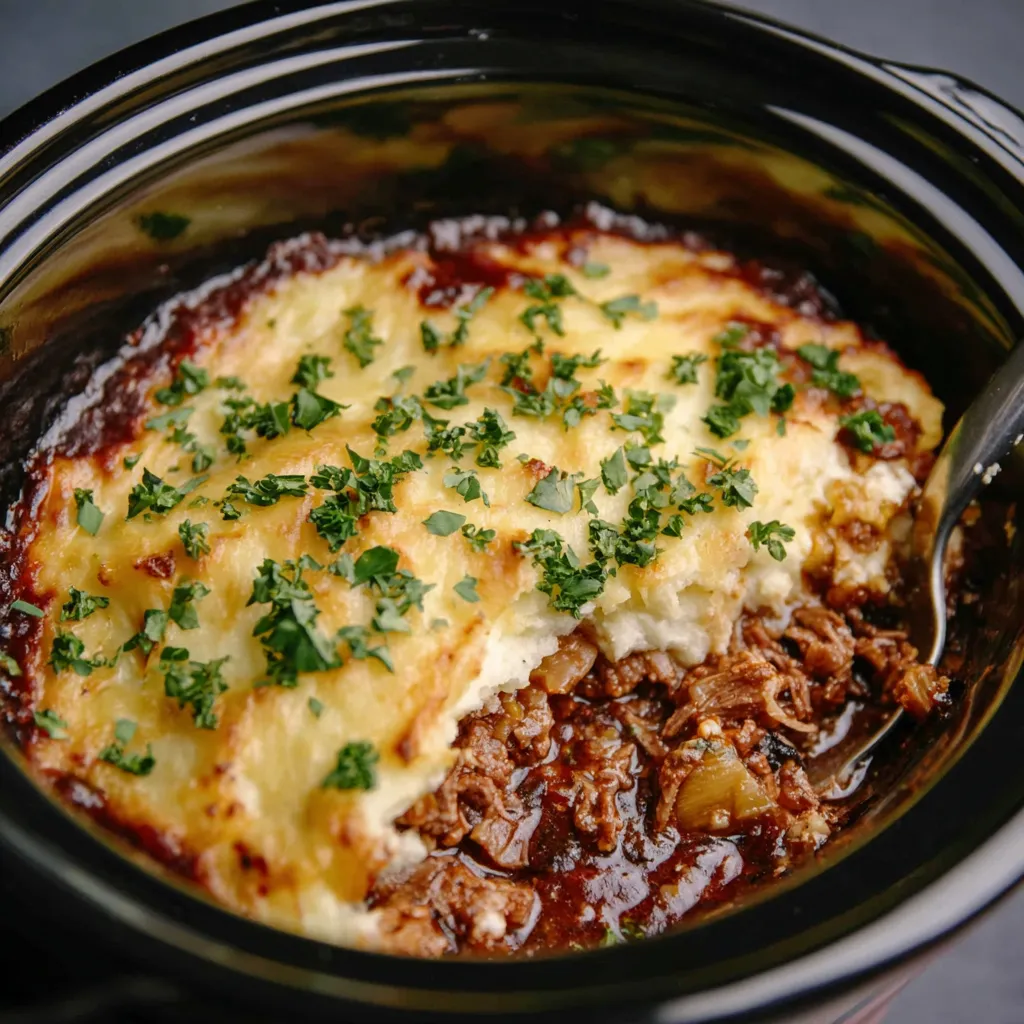
If you want to take your shepherd’s pie from “great” to “gourmet,” these chef-inspired twists will do the trick.
These small additions don’t add much time to the prep, but they significantly impact the final “wow” factor of the meal.
- The Cheese Factor: Fold half a cup of sharp white cheddar or Gruyère into your mashed potatoes for a crust that browns beautifully and adds a sharp tang.
- Red Wine Deglazing: After browning your beef and aromatics, splash in 1/4 cup of dry red wine (like Cabernet or Merlot) to scrape up the browned bits.
- Roasted Garlic Mash: Instead of plain garlic in the meat, fold roasted garlic cloves into the potatoes for a mellow, sweet aroma.
- Smoked Paprika: A half-teaspoon of smoked paprika in the beef mixture adds a subtle “cooked over an open fire” depth that is intoxicating.
Mastering Beef Shepherd’s Pie
Now that we have our ingredients and our plan, it is time to get into the kitchen and start building those layers of flavor.
Remember to take your time with the browning process, as this is where the magic really happens for this Shepherd’s Pie Casserole style dish.
Step 1: The Potato Foundation
Start by peeling and dicing your potatoes into uniform chunks to ensure they cook evenly.
Boil them in heavily salted water until they are fork-tender, then drain them well and let them steam for a minute in the hot pot.
This “steaming off” step is vital because it removes excess moisture, preventing your topping from becoming runny.
Step 2: Searing the Beef
In a large skillet or Dutch oven, brown your ground beef over medium-high heat.
Do not crowd the pan; if necessary, do this in two batches to ensure the meat actually sears rather than steams.
Once the meat is deeply browned, remove it from the pan but leave about two tablespoons of the rendered fat behind.
Step 3: Building the Aromatic Base
Add your chopped onions and carrots (if using fresh) to the beef fat and sauté until they are soft and translucent.
Stir in the garlic and the tomato paste, cooking for about 2 minutes until the paste darkens and smells slightly sweet.
This is the moment where you are building that restaurant-quality foundation we talked about earlier.
Step 4: Creating the Gravy
Sprinkle a tablespoon of flour over the vegetables and stir for a minute to cook out the raw flour taste.
Slowly pour in the beef broth and Worcestershire sauce while stirring constantly to prevent lumps from forming.
Add the browned beef back into the pan along with the herbs and frozen peas, simmering until the sauce is thick and glossy.