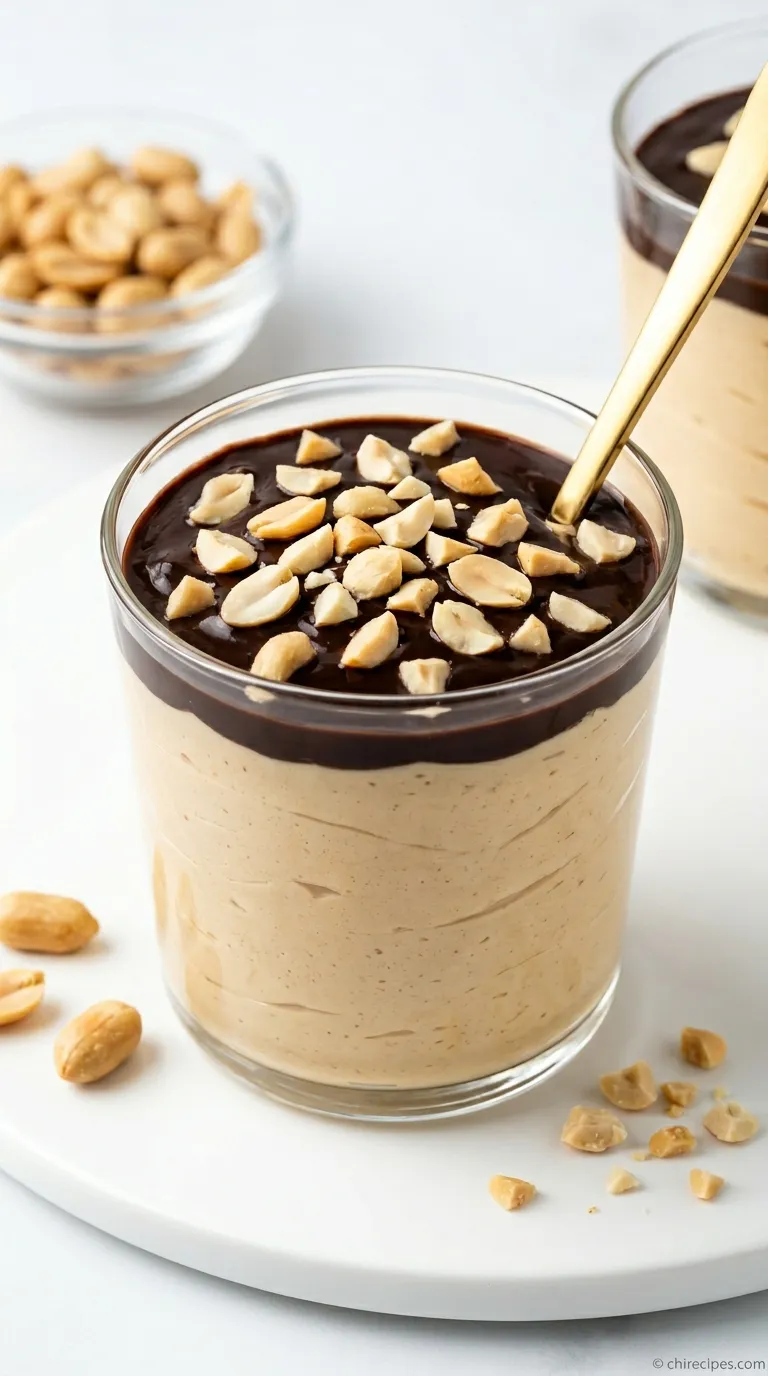
Simplicity has a way of fooling you. It can feel unassuming, almost plain, but true simplicity in the kitchen is a quiet confidence, a deep understanding that a few perfect ingredients, treated with patience and care, can create something far more profound than a dozen complicated ones ever could. This Irish stew is the embodiment of that philosophy; it isn’t about flashy techniques or a laundry list of spices. It’s about the humble alchemy of lamb, potatoes, and time, a trio that transforms in the pot into a dish that feels like a warm hug from the inside out.
What you get is a bowl of pure, unadulterated comfort. The lamb becomes impossibly tender, melting away with the slightest nudge of a spoon. The broth, rich and savory, is thickened naturally by the starches of the potatoes that have slowly surrendered into the liquid, creating a gravy that is both light and deeply satisfying. Each bite is a gentle melody of earthy root vegetables and the distinct, mellow flavor of lamb, all brightened by a final flourish of fresh parsley. This is more than just a stew; it’s a feeling, a cozy blanket in a bowl.
Why This Irish Stew Works
- Authentic Heart & Soul: We stick to tradition with lamb (not beef) and a simple, savory broth, letting the core ingredients shine without the distraction of tomatoes or heavy spices.
- Incredible Natural Texture: By adding some potatoes at the beginning and some later, you get the best of both worlds: a stew that is naturally thickened and creamy, yet still full of satisfying, tender vegetable chunks.
- A True One-Pot Wonder: From searing the meat to simmering the stew, everything happens in a single Dutch oven, making for a deeply flavorful meal with minimal cleanup.
What You’ll Need
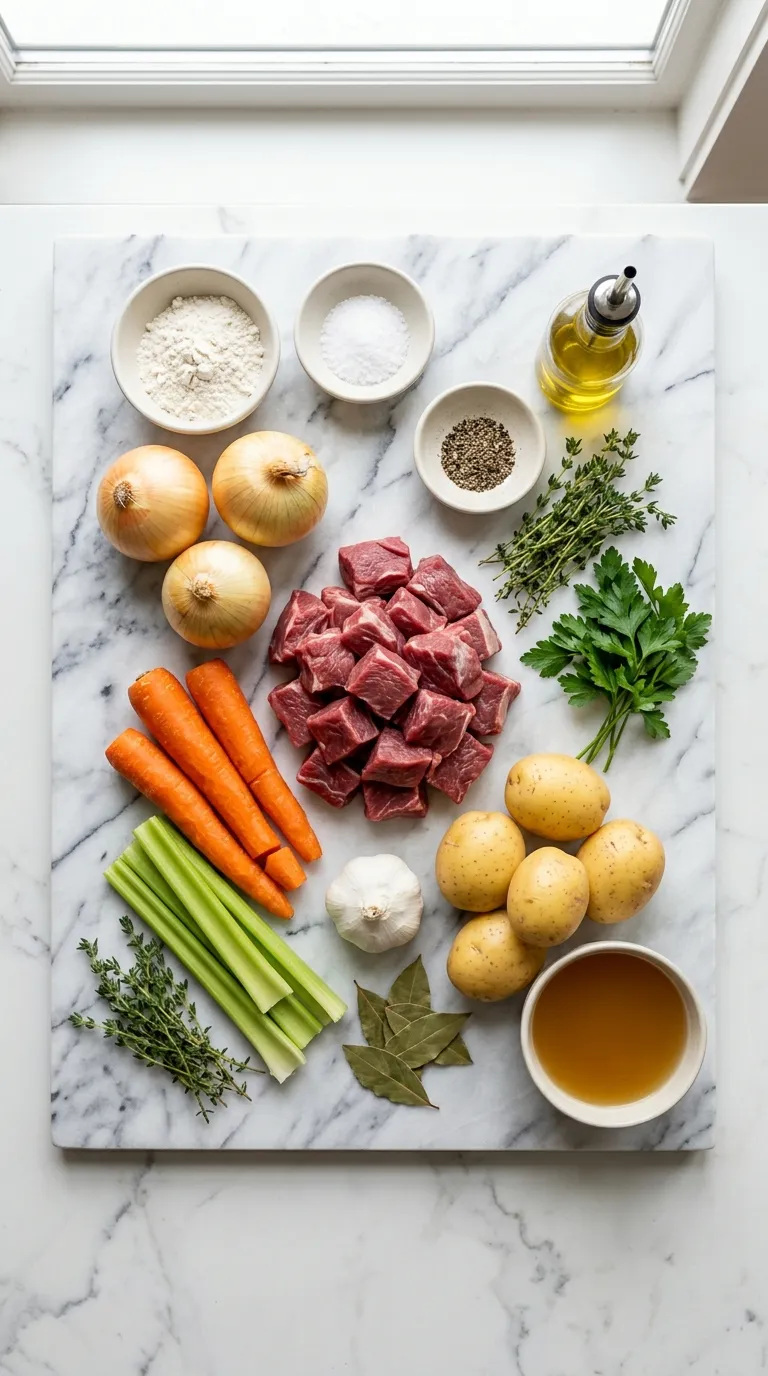
- Lamb Shoulder or Leg: (The star of the show; this cut becomes incredibly tender and flavorful with slow cooking).
- All-Purpose Flour: (For dredging the lamb, which helps it brown beautifully and slightly thickens the stew).
- Kosher Salt & Freshly Ground Black Pepper
- Avocado Oil or other neutral oil
- Yellow Onions
- Carrots
- Celery
- Garlic
- Low-Sodium Chicken or Lamb Broth: (Forms the savory, liquid base of our stew).
- Yukon Gold Potatoes: (Their waxy, creamy texture is perfect; they hold their shape well but also release enough starch to naturally thicken the broth).
- Fresh Thyme Sprigs: (Adds a subtle, earthy, and aromatic background note that is essential to the classic flavor).
- Bay Leaves
- Fresh Parsley: (For a final burst of freshness and color).
Pantry Alternatives
Don’t have everything on hand? No problem. This stew is wonderfully flexible.- For the Lamb: While lamb is traditional, a well-marbled beef chuck roast, cut into cubes, is a fantastic substitute. It will give you a different, but equally delicious, result reminiscent of a classic beef stew or even the base for a Beef Shepherd’s Pie.
- For the Potatoes: Russet potatoes will also work, but they are starchier and will break down more, creating a thicker, more porridge-like consistency. Red potatoes will hold their shape even more firmly if you prefer distinct chunks.
- For the Herbs: If you don’t have fresh thyme, you can use 1 teaspoon of dried thyme. Just add it along with the garlic to help it bloom.
- For a Gluten-Free Stew: Simply swap the all-purpose flour for a cup-for-cup gluten-free flour blend, or omit the dredging step entirely. The stew will be slightly thinner but still delicious.
- Add Parsnips: For an extra layer of earthy sweetness, substitute one of the carrots with a large parsnip, peeled and chopped.
Fun Variations to Try
Once you’ve mastered the classic, feel free to play around and make this recipe your own. It’s a fantastic canvas for a few simple, flavorful additions.Add a Stout Beer
For a deeper, richer, and more complex flavor, add about a cup of Guinness or another Irish stout. Pour it in after sautéing the vegetables to deglaze the pan, scraping up all those delicious browned bits from the bottom. Let it reduce by about half before adding the broth. This variation gives it a pub-style feel, much like my popular Guinness Shepherds Pie.Introduce Grains
To make the stew even heartier and add a wonderful chewy texture, stir in a half-cup of pearl barley along with the broth. You may need to add an extra cup of broth, as the barley will absorb a good amount of liquid as it cooks.Make it Creamy
For a touch of richness at the very end, turn off the heat and swirl in a few tablespoons of heavy cream or a dollop of crème fraîche. This adds a lovely, luxurious finish to the broth.Brighten with Greens
Stir in a cup of frozen peas or a few handfuls of chopped kale or cabbage during the last 5-10 minutes of cooking. This adds a pop of color, extra nutrients, and a lovely freshness to the finished dish.Let’s Get Cooking
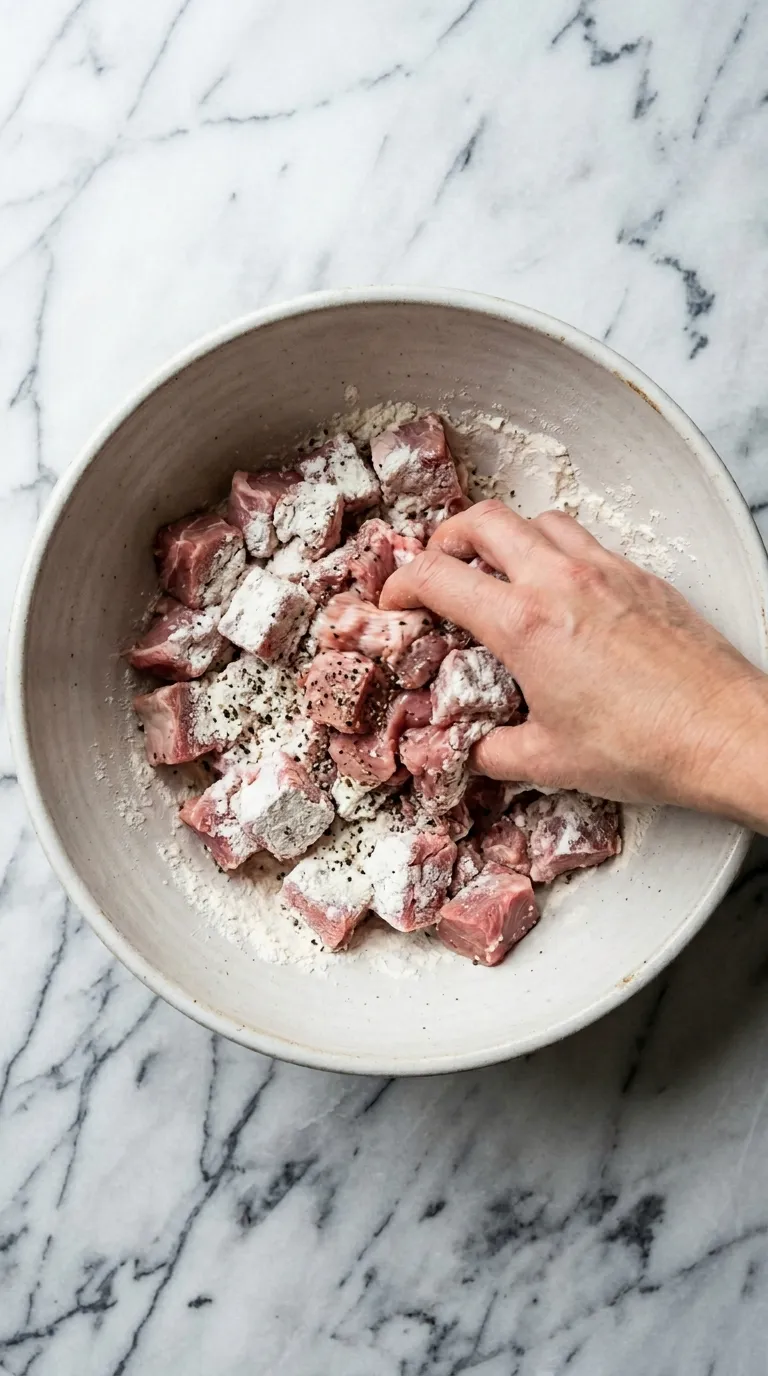
Step 1: Prepare and Brown the Lamb
Pat your lamb cubes completely dry with paper towels; this is crucial for getting a good sear. In a small bowl, toss the lamb with the flour, a generous amount of salt, and pepper until it’s lightly coated. Heat the oil in a large Dutch oven or heavy-bottomed pot over medium-high heat. Working in batches to avoid overcrowding the pan, sear the lamb on all sides until deeply browned. Transfer the browned lamb to a separate plate and set aside.Step 2: Sauté the Aromatics
Reduce the heat to medium and add the chopped onions, carrots, and celery to the same pot. There should be enough rendered fat from the lamb, but add another splash of oil if needed. Cook, stirring occasionally, until the vegetables have softened and the onions are translucent, about 8-10 minutes. Add the minced garlic and cook for just one more minute until fragrant.Step 3: Build the Broth
Pour in about a half-cup of the broth to deglaze the pot. Use a wooden spoon to scrape up all of the wonderful browned bits (the fond) stuck to the bottom—this is where so much flavor lives! Once the bottom is clean, add the seared lamb back to the pot along with any accumulated juices.Step 4: Simmer Low and Slow
Add the remaining broth, the thyme sprigs, and the bay leaves. Now, add about one-third of your chopped potatoes to the pot. These “sacrificial” potatoes will break down completely during the long simmer, naturally and beautifully thickening your stew. Bring the mixture to a gentle simmer, then reduce the heat to low, cover the pot, and let it cook for at least 1.5 hours. The goal is a bare, lazy bubble, not a rolling boil.Step 5: Add Remaining Vegetables
After 1.5 hours, the lamb should be getting quite tender. Uncover the pot and add the remaining two-thirds of the potatoes. Stir everything together, return the lid, and continue to simmer for another 45-60 minutes, or until the lamb is fall-apart tender and the second batch of potatoes is cooked through but still holding its shape.Step 6: Finish and Serve
Remove the pot from the heat. Fish out the thyme sprigs and bay leaves. Taste the stew and adjust the seasoning with more salt and pepper as needed. Stir in the fresh, chopped parsley. Let the stew rest for about 10 minutes before ladling it into warm bowls to serve.Chef’s Tips
- Don’t Skip the Sear: I know it takes extra time, but browning the lamb in batches is the single most important step for developing the deep, savory, foundational flavor of the stew. A gray, steamed lamb will never taste as good.
- Low and Slow is the Way to Go: The magic happens over a long, gentle simmer. Rushing the process with high heat will only make the lamb tough and the flavors muted. Patience is your most important ingredient here.
- Layer the Potatoes: This two-stage potato addition is a game-changer. The first batch melts into the stew to create a creamy, luscious gravy without any cornstarch, while the second batch provides the tender, satisfying chunks you expect in a stew.
Serving Suggestions
A stew this hearty and complete doesn’t need much, but the right accompaniments can turn a great meal into an unforgettable one.The most classic and non-negotiable pairing is a loaf of crusty bread for sopping up every last drop of the incredible broth. Irish soda bread is traditional, but a good sourdough or baguette works beautifully too.
For a bit of green, a simple side salad with a sharp vinaigrette can provide a lovely, bright contrast to the richness of the stew. Alternatively, some simple steamed green beans or cabbage dressed with butter and salt is a perfect companion.
If you’re a fan of comforting, all-in-one bowl meals, you might also fall in love with my Cozy Chicken Stew or the incredibly savory Authentic German Goulash Stew. And for those who love the flavors of lamb and potatoes, my Pub Style Shepherd’s Pie is another must-try recipe. It takes these classic components in a slightly different but equally delicious direction. For a fun twist, you could even try my Shepherd’s Pie Soup!
If you tried this recipe and loved it, please leave a 5-star rating below. It helps us so much
What’s the best substitute for lamb in this Irish stew?
While lamb is traditional for this recipe, a well-marbled beef chuck roast, cut into cubes, is a fantastic substitute. It will result in a delicious stew, similar to a classic beef stew.
Why are the potatoes added in two separate steps?
This recipe uses a two-stage potato addition to achieve a perfect texture. The first batch of potatoes is added early to break down completely, naturally thickening the broth into a creamy gravy. The second batch is added later so that you still have tender, satisfying potato chunks in the finished stew.
How can I make this stew gluten-free?
To make a gluten-free version, you can simply swap the all-purpose flour used for dredging the lamb with a cup-for-cup gluten-free flour blend. Alternatively, you can omit the dredging step entirely; the stew will be slightly thinner but still delicious.
Can I add Guinness or other beer to this recipe?
Yes, for a deeper and richer flavor, you can add about one cup of Guinness or another Irish stout. Pour it into the pot after sautéing the vegetables to deglaze the pan, and let it reduce by about half before adding the broth.
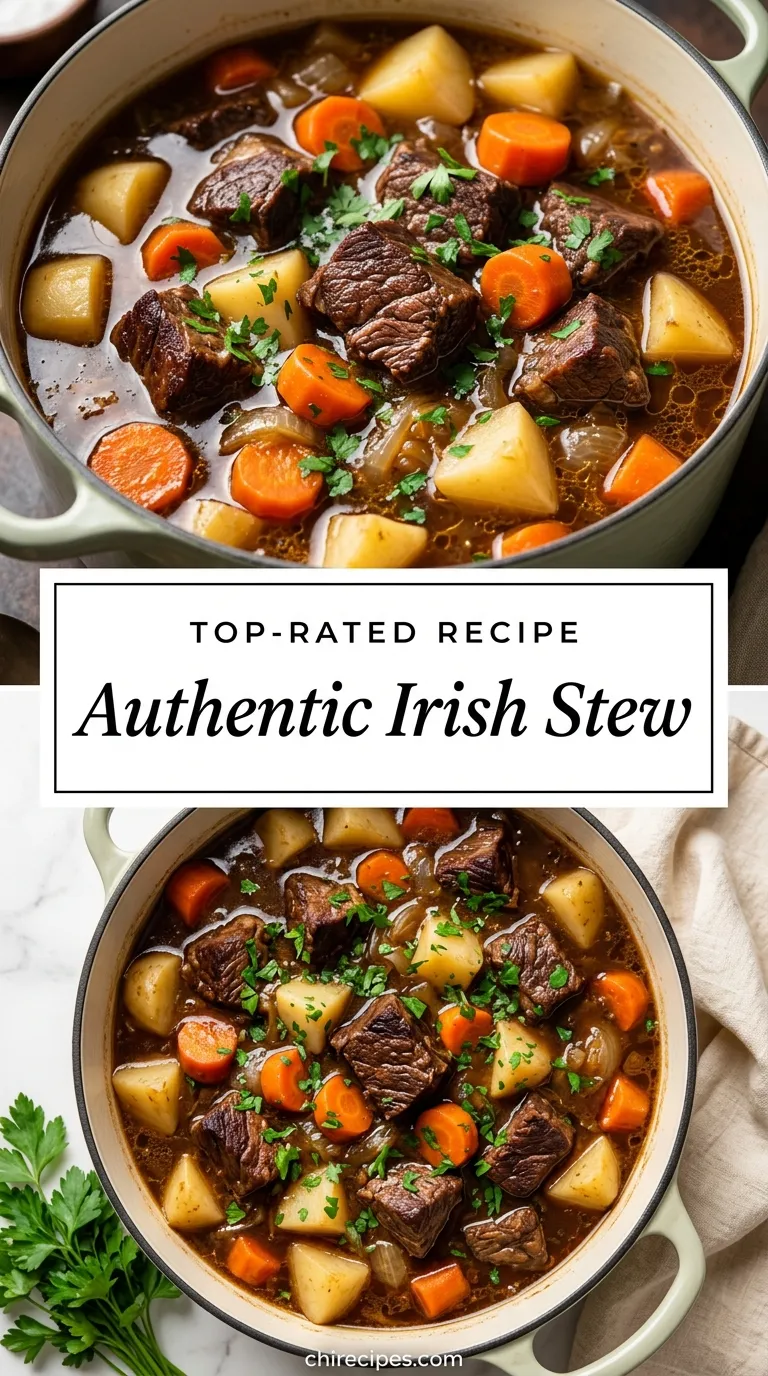
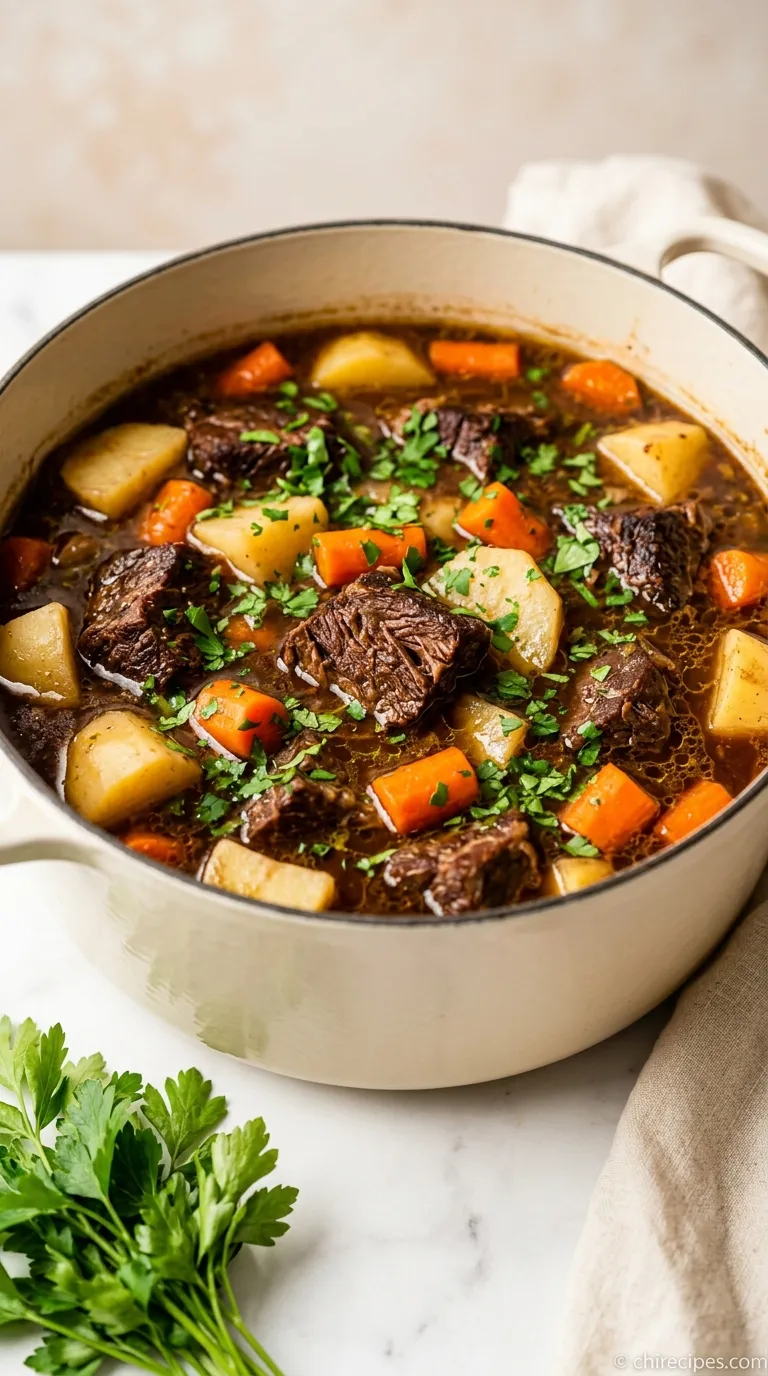

Cozy Irish Stew
Ingredients
Equipment
Method
- Pat the lamb cubes completely dry with paper towels. In a large bowl, toss the lamb with the flour, 1.5 tsp salt, and 1 tsp pepper until lightly coated.
- Heat the oil in a large Dutch oven over medium-high heat. Working in batches, sear the lamb on all sides until deeply browned. Transfer the browned lamb to a separate plate.
- Reduce heat to medium. Add the chopped onions, carrots, and celery to the pot. Cook, stirring occasionally, for 8-10 minutes until softened. Add the minced garlic and cook for one more minute until fragrant.
- Pour in about a half-cup of the broth to deglaze the pot, using a wooden spoon to scrape up any browned bits from the bottom. Return the seared lamb and any accumulated juices to the pot.
- Add the remaining broth, thyme sprigs, bay leaves, and one-third of the chopped potatoes. Bring to a gentle simmer, then reduce heat to low, cover, and cook for 1.5 hours, maintaining a very gentle simmer.
- Uncover the pot and add the remaining two-thirds of the potatoes. Stir, return the lid, and continue to simmer for another 45-60 minutes, or until the lamb is fall-apart tender and the potatoes are cooked through.
- Remove the pot from the heat. Discard the thyme sprigs and bay leaves. Taste and adjust seasoning with more salt and pepper as needed. Stir in the fresh parsley.
- Let the stew rest for 10 minutes before ladling into warm bowls to serve.