What seemingly simple dish can transform from watery broth with pallid chicken to a deeply flavorful, comforting bowl of pure deliciousness? The answer, my friends, is chicken stew, and unlocking its secrets proved more challenging than I initially anticipated.
Broth, Body, & Bird: The Holy Trinity of Stew Science
At its core, chicken stew is a delicate balance of three key elements: the broth, the body (vegetables and thickening agents), and the chicken itself. Understanding how these components interact is crucial for achieving stew nirvana. The broth, ideally homemade, provides the flavor foundation. Store-bought broth, while convenient, often lacks depth and may contain excessive sodium. The body, comprised of vegetables like carrots, celery, and potatoes, contributes texture and sweetness. Finally, the chicken, the star of the show, should be cooked to tender perfection without drying out or becoming rubbery.
The magic truly happens with the Maillard reaction, that browning process that develops complex flavors. Searing the chicken and vegetables before adding the broth creates a richer, more satisfying stew. Thickening the stew is also key. Flour, cornstarch, or even mashed potatoes can be used to achieve the desired consistency. However, over-thickening can result in a gluey, unpleasant texture. It’s a fine line!
The Ultimate Chicken Stew Recipe
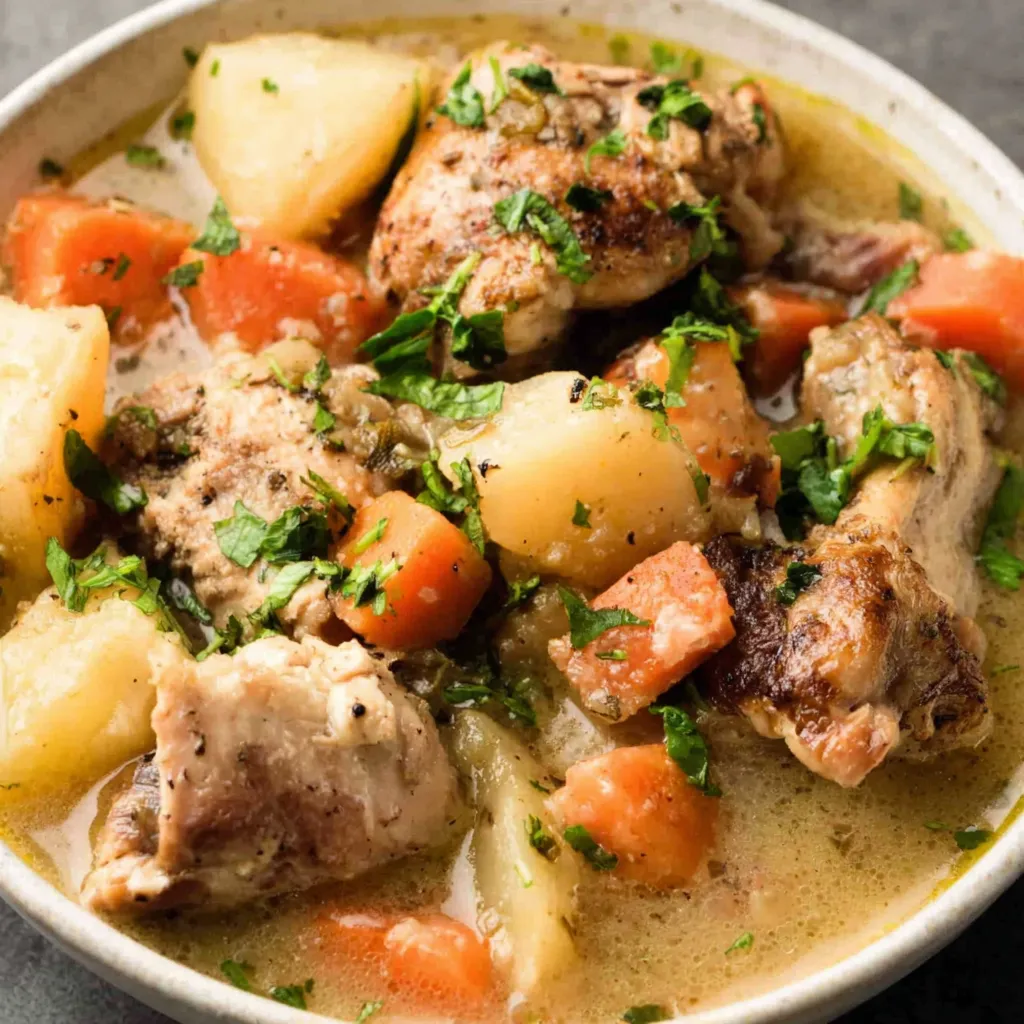
Ingredients:
- 2 lbs boneless, skinless chicken thighs, cut into 1-inch pieces
- 2 tablespoons olive oil
- 1 large onion, chopped
- 2 carrots, peeled and chopped
- 2 celery stalks, chopped
- 4 cloves garlic, minced
- 8 cups chicken broth (preferably homemade)
- 1 teaspoon dried thyme
- 1/2 teaspoon dried rosemary
- 1 bay leaf
- 1 lb Yukon gold potatoes, peeled and cubed
- 1 cup frozen peas
- 1/4 cup all-purpose flour (or cornstarch)
- 1/2 cup cold water
- Salt and pepper to taste
- Optional: Fresh parsley, chopped, for garnish
Instructions:
- Sear the Chicken: Pat the chicken pieces dry with paper towels. Season generously with salt and pepper. Heat the olive oil in a large Dutch oven or pot over medium-high heat. Sear the chicken in batches, being careful not to overcrowd the pot. Brown on all sides (about 3-4 minutes per batch). Remove the chicken from the pot and set aside.
- Sauté the Vegetables: Add the onion, carrots, and celery to the pot and cook over medium heat until softened, about 5-7 minutes. Add the garlic and cook for another minute until fragrant.
- Build the Broth: Pour in the chicken broth, scraping up any browned bits from the bottom of the pot (deglazing). Add the thyme, rosemary, and bay leaf. Bring to a simmer.
- Simmer and Thicken: Return the chicken to the pot. Add the potatoes. Reduce the heat to low, cover, and simmer for 20-25 minutes, or until the chicken and potatoes are tender.
- Add the Peas: Stir in the frozen peas during the last 5 minutes of cooking.
- Thicken the Stew (if desired): In a small bowl, whisk together the flour (or cornstarch) and cold water to create a slurry. Gradually whisk the slurry into the simmering stew until it thickens to your desired consistency. Simmer for another 2-3 minutes to cook out the flour taste.
- Season and Serve: Remove the bay leaf. Taste and adjust seasonings as needed. Garnish with fresh parsley, if desired. Serve hot with crusty bread.
Confessions of a Stew-Making Scientist: My Investigation
The Watery Wilderness Years
My first few attempts were a disaster. I treated chicken stew like any other soup, throwing everything into a pot and hoping for the best. The result? A watery, flavorless mess with chicken that tasted suspiciously like cardboard. I knew I needed to understand the underlying principles to conquer this culinary challenge. It was nothing like the ease I found when making Mexican Street Corn White Chicken Chili for the first time.
The Browning Breakthrough
Then, I had an “Aha!” moment. I realized I was skipping a crucial step: searing the chicken and vegetables. Like many of you, I initially thought this was just an aesthetic thing. I didn’t realize browning creates those complex, savory flavors. Once I started searing, the difference was night and day. The stew developed a depth of flavor I never thought possible. It was a turning point, making me think about the difference searing made in my Crock Pot Bourbon Chicken too.
The Thickening Tango: Flour vs. Cornstarch
The next hurdle was thickening. I experimented with different methods, from flour to cornstarch to even mashed potatoes. Flour provided a slightly nutty flavor, but I found it could sometimes leave a slightly gummy texture. Cornstarch, on the other hand, created a smoother, glossier finish, but it was easier to over-thicken. Ultimately, I found that a flour slurry added gradually was the easiest to control, achieving the perfect balance of thickness and flavor. This step is much more important than I initially understood. If I’m going for ease of use, I might just default to trying to recreate Chicken Potato Perfection.
The Broth Bonanza: Homemade vs. Store-Bought
The broth was another revelation. I always used store-bought broth, assuming it was “good enough.” But once I tried making my own, using leftover chicken bones and vegetable scraps, the flavor difference was astounding. Homemade broth adds a richness and depth that you simply can’t get from a carton. Now, I always try to make a batch of broth whenever I roast a chicken. Although sometimes the ease of throwing things into the Cozy Chicken Stew recipe wins out.
The Stew-Proof Method: A Culinary Algorithm
After countless experiments and taste tests, I’ve developed a foolproof method for making perfect chicken stew every time. Follow these steps, and you’ll be on your way to stew-making success:
- Brown the Chicken: Sear the chicken in batches to develop deep, savory flavors. Don’t overcrowd the pot.
- Sauté the Aromatics: Cook the onion, carrots, and celery until softened and fragrant. Don’t rush this step; it builds the flavor foundation.
- Deglaze the Pot: Pour in the broth and scrape up any browned bits from the bottom of the pot. This adds incredible depth of flavor.
- Simmer Low and Slow: Simmer the stew gently, covered, until the chicken and vegetables are tender. This allows the flavors to meld together beautifully.
- Thicken Gradually: Add a flour or cornstarch slurry gradually, whisking constantly, until the stew reaches your desired consistency. Avoid over-thickening.
- Season to Perfection: Taste and adjust the seasonings as needed. Don’t be afraid to add a pinch of salt, a grind of pepper, or a squeeze of lemon juice to brighten the flavors.
- Garnish with Fresh Herbs: A sprinkle of fresh parsley or thyme adds a pop of color and freshness.
Mastering chicken stew is a journey, not a destination. Be patient, experiment with different techniques, and don’t be afraid to make mistakes. And who knows, maybe one day you’ll find that you can recreate the rich flavors of a Slow Cooker Butter Chicken, or the warm spices of the Creamy Chicken Chili in your stew!
Why is searing the chicken and vegetables important for chicken stew?
Searing the chicken and vegetables before adding the broth creates a richer, more satisfying stew by developing complex, savory flavors through the Maillard reaction (browning process).
What are some options for thickening chicken stew, and what are the pros and cons?
Flour provides a slightly nutty flavor but can be gummy. Cornstarch creates a smoother, glossier finish but is easier to over-thicken. Mashed potatoes are another option. A flour slurry added gradually is recommended for the best balance.
Why does the article recommend using homemade chicken broth over store-bought?
Homemade broth adds a richness and depth of flavor that you simply can’t get from a carton of store-bought broth, which often lacks depth and may contain excessive sodium.
What is the key to tender chicken in chicken stew?
The key is to simmer the stew gently, covered, until the chicken and vegetables are tender. This slow cooking allows the flavors to meld together and prevents the chicken from becoming dry or rubbery.
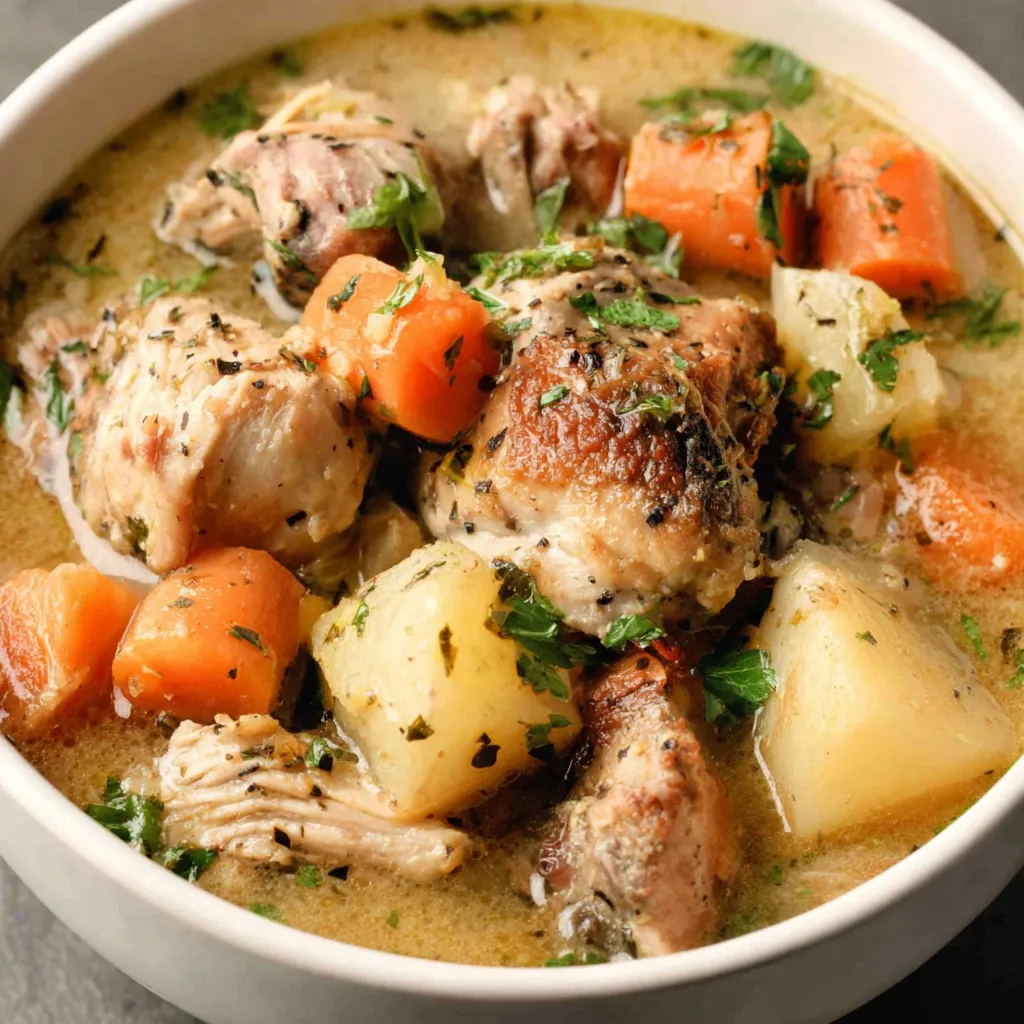

Easy Chicken Stew
Ingredients
Equipment
Method
- Sear the Chicken: Pat the chicken pieces dry with paper towels. Season generously with salt and pepper. Heat the olive oil in a large Dutch oven or pot over medium-high heat. Sear the chicken in batches, being careful not to overcrowd the pot. Brown on all sides (about 3-4 minutes per batch). Remove the chicken from the pot and set aside.
- Sauté the Vegetables: Add the onion, carrots, and celery to the pot and cook over medium heat until softened, about 5-7 minutes. Add the garlic and cook for another minute until fragrant.
- Build the Broth: Pour in the chicken broth, scraping up any browned bits from the bottom of the pot (deglazing). Add the thyme, rosemary, and bay leaf. Bring to a simmer.
- Simmer and Thicken: Return the chicken to the pot. Add the potatoes. Reduce the heat to low, cover, and simmer for 20-25 minutes, or until the chicken and potatoes are tender.
- Add the Peas: Stir in the frozen peas during the last 5 minutes of cooking.
- Thicken the Stew (if desired): In a small bowl, whisk together the flour (or cornstarch) and cold water to create a slurry. Gradually whisk the slurry into the simmering stew until it thickens to your desired consistency. Simmer for another 2-3 minutes to cook out the flour taste.
- Season and Serve: Remove the bay leaf. Taste and adjust seasonings as needed. Garnish with fresh parsley, if desired. Serve hot with crusty bread.