Decoding the Gingerbread Enigma
Before we even think about dipping, let’s break down the core components of a successful gingerbread and why they matter for our white chocolate endeavor. Understanding the science allows us to troubleshoot common problems and achieve that picture-perfect result. Gingerbread, at its heart, is a spiced cookie leavened with baking soda or powder, achieving its signature flavor from molasses, ginger, cinnamon, and cloves. The proportion of these ingredients dictates not only the taste but also the texture. Too much molasses, and you’re looking at a sticky, almost fudge-like cookie that won’t hold its shape well. Too little, and you lose that characteristic deep, rich flavor. The texture of the gingerbread is crucial. We want a cookie that is sturdy enough to hold its shape when dipped but also tender enough to provide a pleasant bite. This is where the balance between flour, butter (or shortening), and molasses comes into play. For the white chocolate, the science gets even trickier. White chocolate isn’t *really* chocolate; it lacks chocolate liquor (the dark solids). It’s essentially cocoa butter, sugar, and milk solids. This makes it more prone to seizing and burning than dark or milk chocolate. The high sugar content also means it melts at a lower temperature, making it crucial to control the heat during melting and dipping. Temperature control prevents blooming (the white, chalky appearance) and ensures a smooth, glossy finish. Finally, remember the *Maillard reaction*. This is the chemical reaction between amino acids and reducing sugars that gives baked goods their characteristic browning and flavor. We want just the right amount of browning to complement the spices without making the gingerbread bitter.The Architect’s Blueprint: A Recipe for Success
Gingerbread Ingredients
- 3 cups all-purpose flour
- 1 teaspoon baking soda
- 1 teaspoon ground ginger
- 1 teaspoon ground cinnamon
- 1/2 teaspoon ground cloves
- 1/4 teaspoon ground nutmeg
- 1/2 teaspoon salt
- 3/4 cup (1 1/2 sticks) unsalted butter, softened
- 3/4 cup packed dark brown sugar
- 1/2 cup molasses
- 1 large egg
- 1 teaspoon vanilla extract
White Chocolate Coating Ingredients
- 12 ounces high-quality white chocolate, finely chopped
- 1 tablespoon vegetable shortening (optional, for smoother melting)
- Sprinkles or other decorations (optional)
Gingerbread Instructions
- Combine Dry Ingredients: In a large bowl, whisk together the flour, baking soda, ginger, cinnamon, cloves, nutmeg, and salt.
- Cream Butter and Sugar: In a separate bowl, cream together the softened butter and brown sugar until light and fluffy.
- Add Molasses and Egg: Beat in the molasses and egg until well combined. Stir in the vanilla extract.
- Gradually Add Dry Ingredients: Gradually add the dry ingredients to the wet ingredients, mixing until just combined. Do not overmix.
- Chill Dough: Wrap the dough in plastic wrap and refrigerate for at least 2 hours, or preferably overnight. This is crucial for preventing the cookies from spreading too much during baking.
- Preheat Oven and Prepare Baking Sheet: Preheat oven to 350°F (175°C). Line a baking sheet with parchment paper.
- Roll Out Dough: On a lightly floured surface, roll out the dough to about 1/4-inch thickness.
- Cut Out Shapes: Use gingerbread cutters to cut out desired shapes.
- Bake: Place the cookies on the prepared baking sheet and bake for 8-10 minutes, or until the edges are lightly golden brown.
- Cool: Let the cookies cool on the baking sheet for a few minutes before transferring them to a wire rack to cool completely.
White Chocolate Dipping Instructions
- Melt White Chocolate: Place the chopped white chocolate and shortening (if using) in a heatproof bowl set over a saucepan of simmering water (double boiler). Make sure the bottom of the bowl does not touch the water. Stir frequently until the chocolate is completely melted and smooth. Alternatively, melt in the microwave in 30-second intervals, stirring between each interval, until melted and smooth.
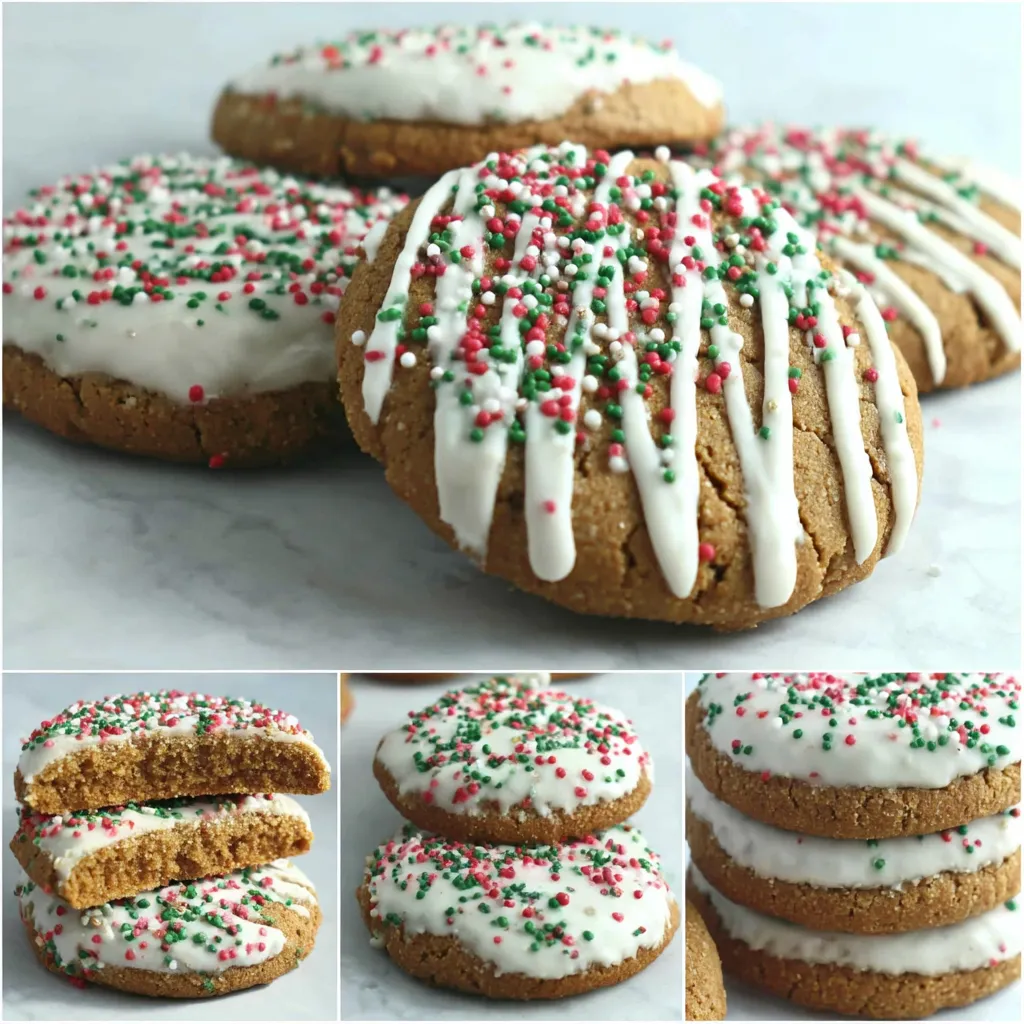
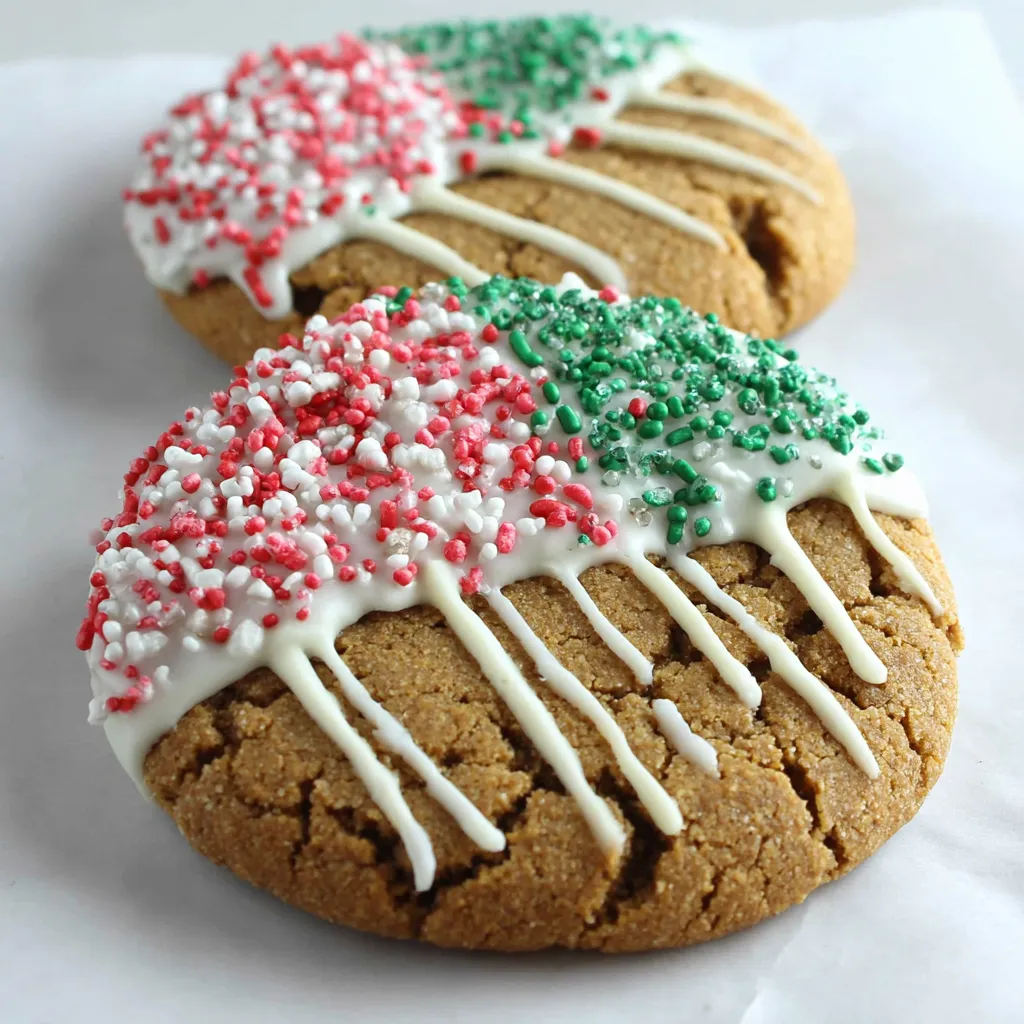
- Dip Cookies: Dip each gingerbread cookie into the melted white chocolate, coating about half or all of the cookie.
- Decorate (Optional): Immediately sprinkle with sprinkles or other decorations while the chocolate is still wet.
- Set Chocolate: Place the dipped cookies on a parchment-lined baking sheet and let the chocolate set completely. You can speed up the process by placing them in the refrigerator for a few minutes.
My Gingerbread Odyssey: A Tale of Trials and Triumphs
My journey to perfecting white chocolate dipped gingerbread was far from straightforward. It was a winding road filled with crumbly cookies, seized chocolate, and a healthy dose of holiday frustration. But, like any good culinary quest, it led to some valuable insights.The Crumbly Cookie Catastrophe
My first few attempts were a disaster. The gingerbread cookies were either too dry and crumbly, or they spread out into amorphous blobs during baking. I initially thought the problem was the recipe itself, but after some digging, I realized it was my technique. I was overmixing the dough, which developed the gluten too much and resulted in tough, dry cookies. And I wasn’t chilling the dough for long enough, which caused excessive spreading in the oven.The Seizing Saga
Then came the white chocolate debacle. Like many of you, I initially thought melting white chocolate was as simple as popping it in the microwave. Wrong! The first batch seized up into a grainy, unusable mess. Then, I tried the double boiler method, but I was still too impatient and let the bowl touch the simmering water, resulting in more seized chocolate. I considered throwing in the towel and baking Apple Crisp Recipe instead.The “Aha!” Moment
Finally, after countless hours of research and experimentation, I had an “Aha!” moment. The key to perfectly melted white chocolate is low and slow heat, patience, and a touch of vegetable shortening. The shortening helps to stabilize the chocolate and prevent it from seizing. As for the gingerbread, chilling the dough overnight and avoiding overmixing were the game-changers. I even started experimenting with different spices. A pinch of nutmeg really brought out the festive flavors.Spice Rack Shenanigans
Speaking of spices, remember to check the freshness of your ground spices! Stale spices lose their potency, and the gingerbread flavor will be underwhelming. I recommend replacing your spices every year, especially if you’re an avid baker. I discovered this the hard way when a batch of gingerbread came out tasting suspiciously bland. It was time to bake Sugar Cookie Bars instead.The Decorating Dilemma
Even the decorating stage presented its challenges. I initially used store-bought sprinkles, which bled their color into the white chocolate, creating a muddy, unappetizing look. I switched to high-quality sprinkles and edible glitter, which gave the cookies a much more festive and professional appearance. Now, my gingerbread looks as good as something you’d find alongside an Autumnal Apple Crisp.The Foolproof Formula: A Step-by-Step Guide
After all my trials and tribulations, I’ve distilled the process into a foolproof method. Follow these steps, and you’ll be well on your way to creating stunning white chocolate dipped gingerbread cookies.- Don’t Overmix: Combine the dry and wet ingredients until *just* combined. Overmixing develops the gluten and leads to tough cookies.
- Chill Out: Chill the dough for at least 2 hours, or preferably overnight. This prevents spreading and allows the flavors to meld.
- Low and Slow: Melt the white chocolate using a double boiler or in the microwave at 30-second intervals, stirring frequently.
- Shortening Secret: Add a tablespoon of vegetable shortening to the white chocolate to stabilize it and prevent seizing.
- Temperature is Key: Make sure the bottom of the bowl doesn’t touch the water when using a double boiler.
- Fresh Spices: Use fresh, high-quality spices for the best flavor.
- Patience is a Virtue: Allow the white chocolate to set completely before handling the cookies. You can speed up the process by placing them in the refrigerator.
- Embrace Imperfection: Don’t strive for perfection. Even slightly imperfect gingerbread cookies are delicious.
Why is it important to chill the gingerbread dough before baking?
Chilling the dough for at least 2 hours, or preferably overnight, is crucial for preventing the cookies from spreading too much during baking and allows the flavors to meld.
What is the best way to melt white chocolate for dipping gingerbread cookies?
The best way is to use a double boiler or melt it in the microwave in 30-second intervals, stirring between each interval, until melted and smooth. Adding a tablespoon of vegetable shortening can also help to stabilize the chocolate and prevent seizing.
Why does white chocolate sometimes seize when melting?
White chocolate is more prone to seizing because it lacks chocolate liquor and is essentially cocoa butter, sugar, and milk solids. This makes it more sensitive to heat. Overheating or letting water come into contact with the chocolate can cause it to seize.
What can I do to prevent my gingerbread cookies from becoming too tough?
Avoid overmixing the dough. Combine the dry and wet ingredients until just combined. Overmixing develops the gluten and leads to tough cookies.

Perfect White Chocolate Dipped Gingerbread
Ingredients
Equipment
Method
- Combine Dry Ingredients: In a large bowl, whisk together the flour, baking soda, ginger, cinnamon, cloves, nutmeg, and salt.
- Cream Butter and Sugar: In a separate bowl, cream together the softened butter and brown sugar until light and fluffy.
- Add Molasses and Egg: Beat in the molasses and egg until well combined. Stir in the vanilla extract.
- Gradually Add Dry Ingredients: Gradually add the dry ingredients to the wet ingredients, mixing until just combined. Do not overmix.
- Chill Dough: Wrap the dough in plastic wrap and refrigerate for at least 2 hours, or preferably overnight.
- Preheat Oven and Prepare Baking Sheet: Preheat oven to 350°F (175°C). Line a baking sheet with parchment paper.
- Roll Out Dough: On a lightly floured surface, roll out the dough to about 1/4-inch thickness.
- Cut Out Shapes: Use gingerbread cutters to cut out desired shapes.
- Bake: Place the cookies on the prepared baking sheet and bake for 8-10 minutes, or until the edges are lightly golden brown.
- Cool: Let the cookies cool on the baking sheet for a few minutes before transferring them to a wire rack to cool completely.
- Melt White Chocolate: Place the chopped white chocolate and shortening (if using) in a heatproof bowl set over a saucepan of simmering water (double boiler). Make sure the bottom of the bowl does not touch the water. Stir frequently until the chocolate is completely melted and smooth. Alternatively, melt in the microwave in 30-second intervals, stirring between each interval, until melted and smooth.
- Dip Cookies: Dip each gingerbread cookie into the melted white chocolate, coating about half or all of the cookie.
- Decorate (Optional): Immediately sprinkle with sprinkles or other decorations while the chocolate is still wet.
- Set Chocolate: Place the dipped cookies on a parchment-lined baking sheet and let the chocolate set completely. You can speed up the process by placing them in the refrigerator for a few minutes.