Ingredients
For the Lobster:
- 1.5 lbs Lobster Tails (about 2 medium), thawed if frozen
- 1 tbsp Olive Oil
- 1/2 tsp Salt
- 1/4 tsp Black Pepper
For the Garlic Butter Sauce:
- 1/2 cup (1 stick) Unsalted Butter
- 6 cloves Garlic, minced
- 1/4 cup Dry White Wine (such as Sauvignon Blanc or Pinot Grigio)
- 1/4 cup Heavy Cream
- 1/4 cup Fresh Parsley, chopped
- 1/4 cup grated Parmesan Cheese, plus more for serving
- 1/2 tsp Red Pepper Flakes (optional)
- Salt and Black Pepper to taste
- 1 tablespoon lemon juice
For the Pasta:
- 1 lb Pasta (Linguine, Fettuccine, or Spaghetti work well)
- Salt for pasta water
Tools You’ll Need
- Large pot for pasta
- Large skillet or sauté pan
- Tongs
- Chef’s knife
- Cutting board
- Measuring cups and spoons
Step-by-Step Instructions
Preparing the Lobster:
- Prep the Lobster: Pat the lobster tails dry with paper towels. Using kitchen shears or a sharp knife, cut down the center of the lobster shell lengthwise. Gently pry open the shell and loosen the lobster meat, but leave it attached at the tail end.
- Season the Lobster: Drizzle the lobster meat with olive oil, then season with salt and pepper.
- Cook the Lobster: Heat a large skillet over medium-high heat. Place the lobster tails meat-side down in the hot skillet. Cook for 3-4 minutes per side, or until the lobster meat is opaque and cooked through. The internal temperature should reach 145°F (63°C). Be careful not to overcook, as lobster can become tough.
- Remove and Rest: Remove the lobster tails from the skillet and let them rest for a few minutes. Once cool enough to handle, remove the lobster meat from the shells and roughly chop into bite-sized pieces.
Making the Garlic Butter Sauce:
- Melt the Butter: In the same skillet (or a clean one), melt the butter over medium heat.
- Sauté the Garlic: Add the minced garlic to the melted butter and sauté for about 1 minute, or until fragrant. Be careful not to burn the garlic.
- Deglaze with Wine: Pour in the white wine and bring to a simmer, scraping up any browned bits from the bottom of the pan. Let the wine reduce slightly for about 2-3 minutes.
- Add Cream and Cheese: Stir in the heavy cream, parsley, Parmesan cheese, and red pepper flakes (if using). Season with salt and pepper to taste.
- Simmer the Sauce: Reduce the heat to low and let the sauce simmer for 5-7 minutes, or until it has thickened slightly. Stir in lemon juice at the end.
Cooking the Pasta:
- Cook the Pasta: While the sauce is simmering, bring a large pot of salted water to a boil. Add the pasta and cook according to package directions until al dente.
- Reserve Pasta Water: Before draining the pasta, reserve about 1 cup of the pasta water. This is liquid gold!
- Drain the Pasta: Drain the pasta in a colander.
Combining Everything:
- Combine Pasta and Sauce: Add the drained pasta to the skillet with the garlic butter sauce. Toss to coat the pasta evenly.
- Add Lobster: Gently fold in the cooked lobster meat.
- Adjust Consistency: If the sauce is too thick, add a little of the reserved pasta water to reach your desired consistency.
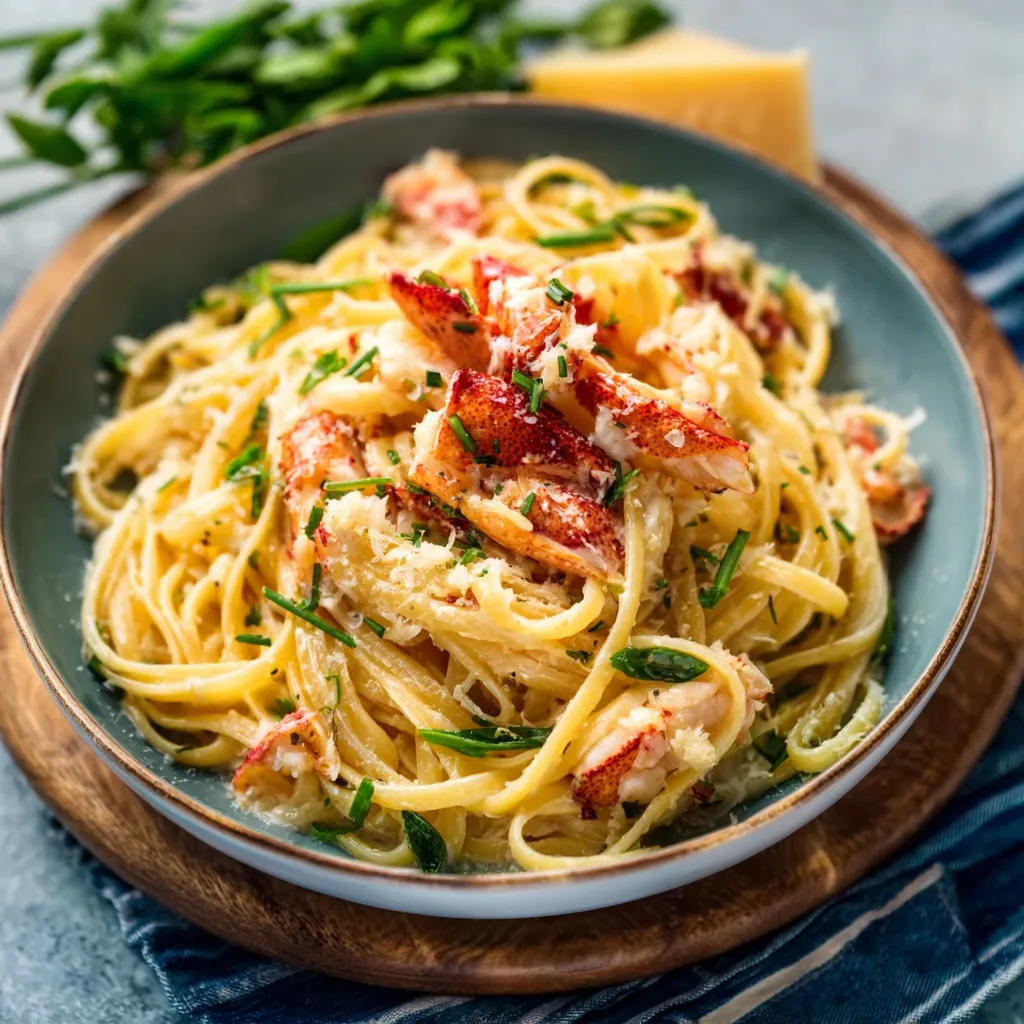
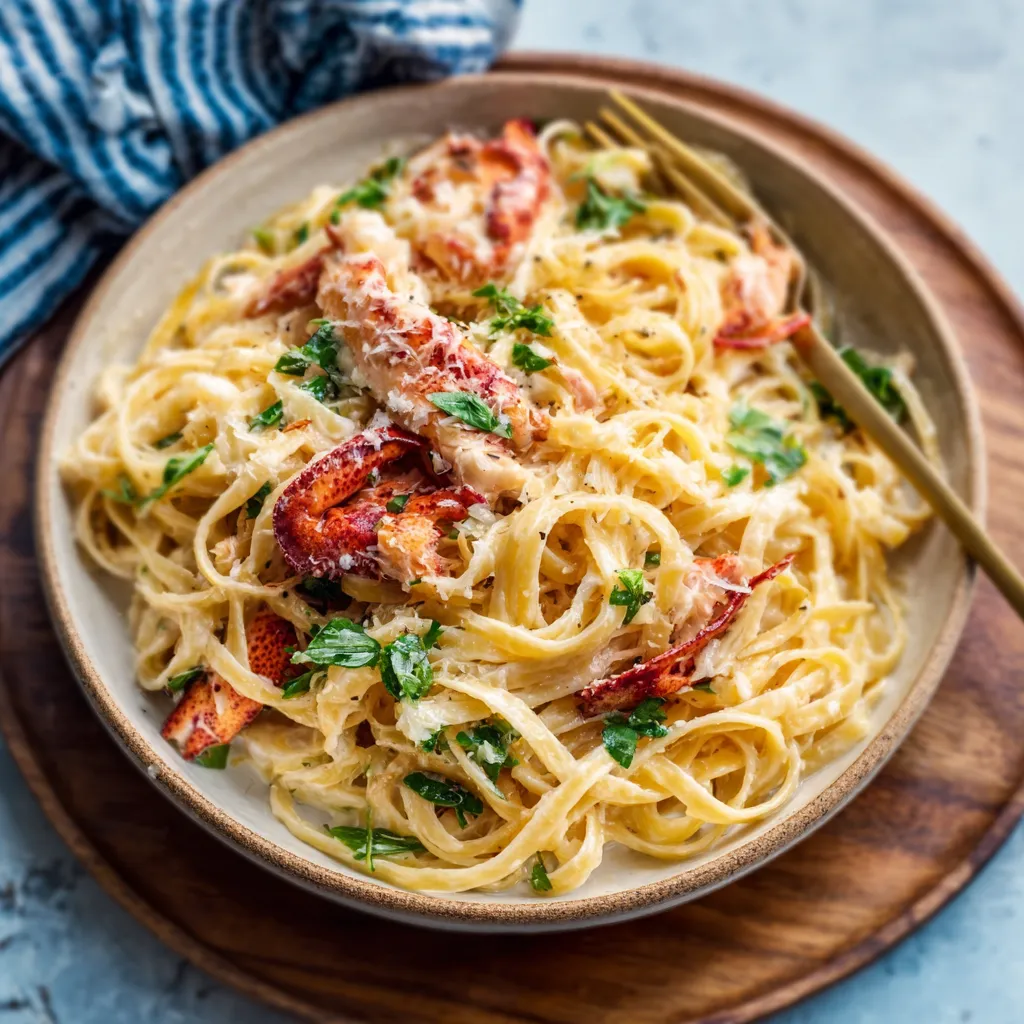
- Serve: Serve immediately, garnished with extra Parmesan cheese and fresh parsley, if desired.
Tips for Lobster Perfection
- Don’t Overcook the Lobster: This is the biggest mistake you can make! Overcooked lobster is tough and rubbery. Aim for an internal temperature of 145°F (63°C).
- Use Fresh Garlic: Freshly minced garlic will give you the best flavor.
- Don’t Skip the Wine: The white wine adds a depth of flavor to the sauce that you won’t want to miss. If you don’t have wine, you can substitute chicken broth, but the flavor won’t be quite the same.
- Taste and Adjust: Taste the sauce as you go and adjust the seasonings as needed. Everyone’s taste buds are different!
- Warm Plates: Warm plates keep the pasta warm longer, enhancing the overall dining experience.
Variations and Substitutions
- Shrimp: If you can’t find lobster or want a more budget-friendly option, you can substitute shrimp. Cook the shrimp in the same way as the lobster. You might also like to try Shrimp Scampi Lasagna or Garlic Butter Shrimp Lasagna for similar flavors.
- Chicken: For a non-seafood option, you can use cooked chicken. Garlic Parmesan Chicken Pasta is another great option!
- Vegetables: Add some vegetables to the pasta for extra flavor and nutrients. Asparagus, spinach, or sun-dried tomatoes would all be delicious additions.
- Spicy: For a spicier dish, add more red pepper flakes or a pinch of cayenne pepper.
- Lemon: Add more lemon juice for a brighter, more citrusy flavor, much like in Lemon Garlic Scape Pasta or Romano Chicken With Lemon Garlic Pasta.
- Creamy Tuscan: Add sundried tomatoes and spinach for a creamy tuscan twist. This adds a similar profile to Tuscan Chicken Pasta.
Serving Suggestions
- Serve with a side salad and some crusty bread for dipping in the sauce.
- Pair with a crisp white wine, such as Sauvignon Blanc or Pinot Grigio.
- Garnish with extra Parmesan cheese and fresh parsley.
Making it Ahead
While this dish is best served fresh, you can prepare some components ahead of time:
- The garlic butter sauce can be made up to 2 days in advance and stored in the refrigerator. Reheat gently before adding the pasta and lobster.
- The lobster can be cooked a day in advance and stored in the refrigerator. Add it to the sauce when you’re ready to serve.
Storage and Reheating
Leftover Garlic Butter Lobster Pasta can be stored in an airtight container in the refrigerator for up to 2 days. To reheat, gently warm it in a skillet over low heat, adding a splash of milk or cream if needed to loosen the sauce. Avoid microwaving, as it can make the lobster tough.
Troubleshooting
- Sauce is too thin: Simmer the sauce for a few more minutes to allow it to thicken. You can also add a cornstarch slurry (1 tablespoon cornstarch mixed with 2 tablespoons cold water) to help thicken it.
- Sauce is too thick: Add a little milk, cream, or pasta water to thin the sauce.
- Lobster is tough: Unfortunately, once lobster is overcooked, there’s not much you can do to salvage it. Be careful not to overcook it in the first place!
- Garlic is burned: Start over! Burned garlic will make the entire dish taste bitter.
You’ve got this! Making Garlic Butter Lobster Pasta might seem intimidating, but with a little patience and these tips, you’ll be serving up a restaurant-worthy dish in no time. Enjoy!
What is the best way to prevent the lobster from becoming tough?
The key is to avoid overcooking the lobster. Aim for an internal temperature of 145°F (63°C). Overcooked lobster becomes tough and rubbery.
Can I prepare the garlic butter lobster pasta ahead of time?
While best served fresh, you can prepare the garlic butter sauce up to 2 days in advance and store it in the refrigerator. You can also cook the lobster a day in advance and store it in the refrigerator. Reheat gently before combining.
What can I substitute for lobster if I’m looking for a more budget-friendly option?
Shrimp is a great and more affordable substitute for lobster. Cook it in the same way as the lobster.
What can I do if the garlic butter sauce is too thick?
If the sauce is too thick, add a little milk, cream, or reserved pasta water to thin it out.

Perfect Garlic Butter Lobster Pasta
Ingredients
Equipment
Method
- Pat the lobster tails dry with paper towels.
- Using kitchen shears or a sharp knife, cut down the center of the lobster shell lengthwise.
- Gently pry open the shell and loosen the lobster meat, but leave it attached at the tail end.
- Drizzle the lobster meat with olive oil, then season with salt and pepper.
- Heat a large skillet over medium-high heat.
- Place the lobster tails meat-side down in the hot skillet.
- Cook for 3-4 minutes per side, or until the lobster meat is opaque and cooked through.
- The internal temperature should reach 145°F (63°C). Be careful not to overcook.
- Remove the lobster tails from the skillet and let them rest for a few minutes.
- Once cool enough to handle, remove the lobster meat from the shells and roughly chop into bite-sized pieces.
- In the same skillet (or a clean one), melt the butter over medium heat.
- Add the minced garlic to the melted butter and sauté for about 1 minute, or until fragrant. Be careful not to burn the garlic.
- Pour in the white wine and bring to a simmer, scraping up any browned bits from the bottom of the pan.
- Let the wine reduce slightly for about 2-3 minutes.
- Stir in the heavy cream, parsley, Parmesan cheese, and red pepper flakes (if using). Season with salt and pepper to taste.
- Reduce the heat to low and let the sauce simmer for 5-7 minutes, or until it has thickened slightly. Stir in lemon juice at the end.
- While the sauce is simmering, bring a large pot of salted water to a boil.
- Add the pasta and cook according to package directions until al dente.
- Before draining the pasta, reserve about 1 cup of the pasta water.
- Drain the pasta in a colander.
- Add the drained pasta to the skillet with the garlic butter sauce.
- Toss to coat the pasta evenly.
- Gently fold in the cooked lobster meat.
- If the sauce is too thick, add a little of the reserved pasta water to reach your desired consistency.
- Serve immediately, garnished with extra Parmesan cheese and fresh parsley, if desired.