The Science of Stickiness: Decoding the Glaze
The magic behind perfectly sticky beef noodles lies in understanding the science of sauce reduction and starch gelatinization. The sauce, typically a combination of soy sauce, sugar, and other flavorings, needs to thicken to a consistency that coats the noodles without becoming gummy. This is achieved through evaporation (reducing liquid) and often aided by a thickening agent, most commonly cornstarch. Cornstarch granules, when heated in liquid, swell and burst, creating a viscous suspension. The ratio of cornstarch to liquid, the temperature, and the cooking time all play crucial roles. Too much cornstarch results in a gloppy mess; too little, and the sauce remains thin and watery. Furthermore, the sugar caramelizes slightly, contributing to both color and flavor complexity, adding to the overall “stickiness.” We also need to consider the Maillard reaction, which occurs when amino acids and reducing sugars are heated, creating hundreds of flavor compounds responsible for the rich, savory taste we associate with deeply browned meat and sauces, similar to what you might find in a good Beef Stir Fry With Vegetables.The Ultimate Sticky Beef Noodles Recipe
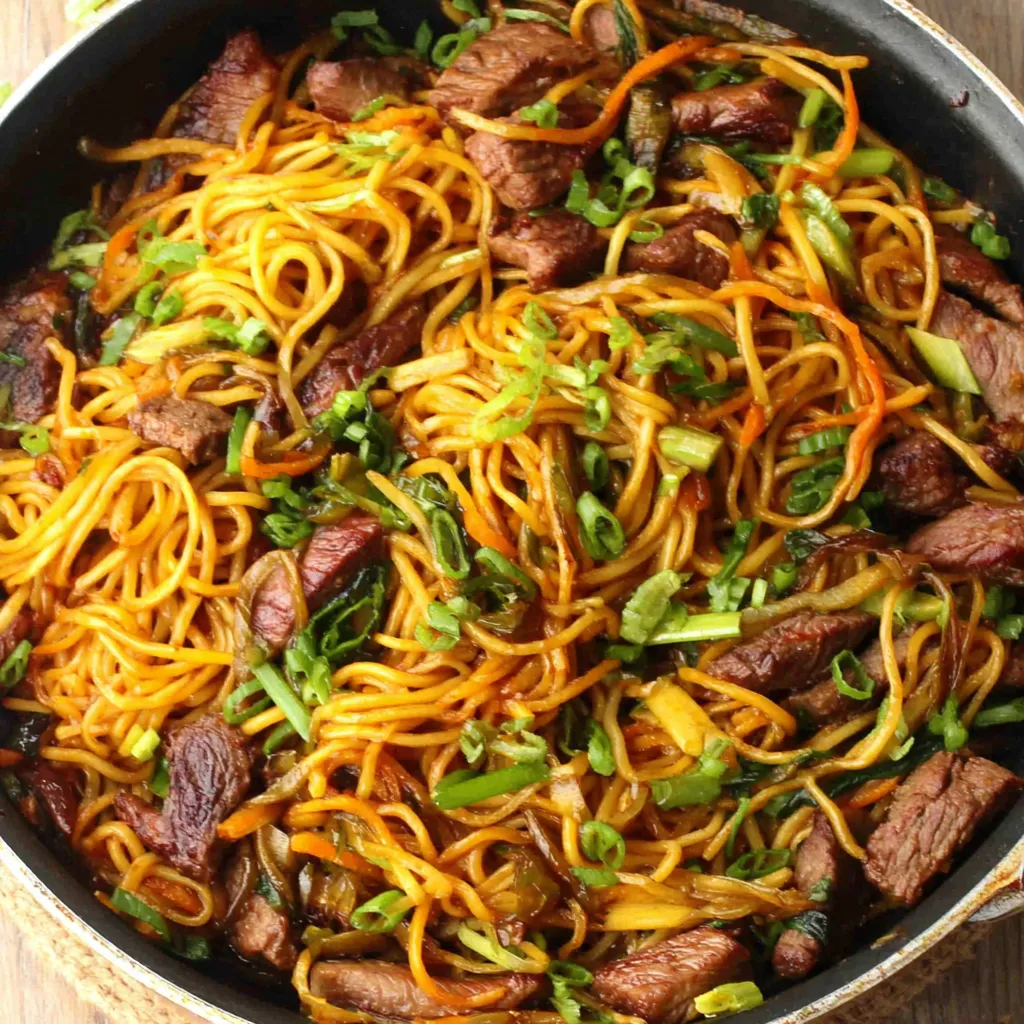
Ingredients:
- For the Beef Marinade:
- 1 lb flank steak, thinly sliced against the grain
- 1 tbsp soy sauce
- 1 tbsp Shaoxing wine (or dry sherry)
- 1 tbsp cornstarch
- 1 tsp sugar
- 1/2 tsp ground white pepper
- For the Noodles:
- 1 lb fresh Asian noodles (e.g., udon, ramen, or lo mein)
- 1 tbsp sesame oil
- For the Sauce:
- 1/4 cup soy sauce
- 2 tbsp oyster sauce
- 2 tbsp brown sugar
- 1 tbsp rice vinegar
- 1 tbsp cornstarch
- 1/2 cup chicken broth (or water)
- 1 tbsp grated ginger
- 2 cloves garlic, minced
- 1 red chili, thinly sliced (optional)
- For Stir-Frying:
- 2 tbsp vegetable oil
- 1 bell pepper, sliced
- 1 onion, sliced
- 2 scallions, chopped, for garnish
- Sesame seeds, for garnish
Instructions:
- Marinate the Beef: In a bowl, combine the sliced beef with soy sauce, Shaoxing wine (or sherry), cornstarch, sugar, and white pepper. Mix well and let it marinate for at least 20 minutes, or up to 2 hours in the refrigerator.
- Prepare the Noodles: Cook the Asian noodles according to package directions. Drain well and toss with sesame oil to prevent sticking. This is a crucial step to ensure your noodles are perfectly coated in the sauce and don’t clump together, much like in Saucy Ramen Noodles.
- Make the Sauce: In a separate bowl, whisk together soy sauce, oyster sauce, brown sugar, rice vinegar, cornstarch, and chicken broth. Set aside.
- Stir-Fry the Beef: Heat vegetable oil in a large wok or skillet over high heat. Add the marinated beef and stir-fry until browned and cooked through, about 3-5 minutes. Remove the beef from the wok and set aside.
- Stir-Fry the Vegetables: Add the bell pepper and onion to the wok and stir-fry until tender-crisp, about 3-4 minutes.
- Combine and Simmer: Pour the sauce into the wok with the vegetables. Bring to a simmer, stirring constantly, until the sauce thickens, about 1-2 minutes.
- Add Beef and Noodles: Add the cooked beef and noodles to the wok. Toss everything together to coat evenly with the sauce.
- Garnish and Serve: Garnish with chopped scallions and sesame seeds. Serve immediately and enjoy!
My Sticky Beef Noodle Odyssey: A Culinary Investigation
The Early Struggles: A Gloppy Mess
My first few attempts were a disaster. Like many of you, I initially thought that simply adding more cornstarch would solve the problem. I envisioned perfectly coated noodles, but instead, I ended up with a gloppy, gelatinous mess that resembled something closer to wallpaper paste than a delicious Asian-inspired dish. The flavor was there, but the texture was all wrong. The beef was often overcooked and tough, and the noodles were either soggy or stuck together in clumps. It felt far removed from the restaurant-quality sticky beef noodles I was trying to emulate. I even considered giving up and ordering takeout!The “Aha!” Moment: Marination and Timing
Then, I had an “Aha!” moment. I realized that the problem wasn’t just the sauce, but also the preparation of the beef and the timing of adding the ingredients. I started experimenting with different marinades, focusing on tenderizing the beef and adding flavor before it even hit the wok. The cornstarch in the marinade acted as a buffer, protecting the beef from the high heat and keeping it tender. I also learned the importance of cooking the noodles separately and tossing them with sesame oil to prevent sticking. This was a game-changer!The Sauce Secret: Mastering the Reduction
The next breakthrough came with understanding the sauce. I realized that the key was to achieve the right balance of sweetness, saltiness, and acidity, and to let the sauce reduce properly before adding the beef and noodles. I experimented with different ratios of soy sauce, oyster sauce, brown sugar, and rice vinegar, and I found that a little bit of acid (rice vinegar) helped to cut through the sweetness and create a more complex flavor profile. The cornstarch slurry needed to be added gradually and cooked until it reached the perfect consistency – thick enough to coat the noodles, but not so thick that it became gummy. A slight modification in the recipe, instead of flank steak, one can try using smaller bits of steak in a Steak Tortellini.The Final Touch: Fresh Ingredients and High Heat
Finally, I discovered the importance of using fresh ingredients and cooking over high heat. Grating fresh ginger and mincing garlic right before adding them to the wok made a huge difference in the overall flavor. And stir-frying the beef and vegetables over high heat created that desirable wok hei, the slightly smoky, charred flavor that is characteristic of authentic Asian stir-fries, and is necessary for Beef Broccoli Takeout.The Foolproof Sticky Beef Noodles Technique
Follow these steps for guaranteed sticky beef noodle success:- Marinate the Beef: Use a cornstarch-based marinade to tenderize the beef and add flavor.
- Prepare the Noodles Separately: Cook the noodles according to package directions and toss with sesame oil to prevent sticking.
- Master the Sauce: Balance sweet, salty, and acidic flavors, and reduce the sauce until it reaches the desired consistency.
- Stir-Fry over High Heat: Use high heat to create that signature wok hei flavor.
- Add Ingredients in the Right Order: Stir-fry the beef first, then the vegetables, then add the sauce, and finally, toss in the noodles.
- Don’t Overcook: Be mindful of cooking times to avoid overcooking the beef and vegetables.
- Garnish Generously: Top with fresh scallions and sesame seeds for added flavor and visual appeal.
What is the key to achieving a sticky sauce for beef noodles without it becoming too gummy?
The key is understanding sauce reduction and starch gelatinization. The sauce needs to thicken through evaporation and the proper use of a thickening agent like cornstarch. Balancing the ratio of cornstarch to liquid, temperature, and cooking time is crucial to avoid a gloppy mess.
Why is it important to marinate the beef before stir-frying?
Marinating the beef, especially with cornstarch, helps tenderize it and adds flavor before cooking. The cornstarch acts as a buffer, protecting the beef from high heat and keeping it tender.
What is “wok hei” and how do I achieve it when making sticky beef noodles?
“Wok hei” is the slightly smoky, charred flavor characteristic of authentic Asian stir-fries. It’s achieved by cooking over high heat with fresh ingredients.
Why are the noodles tossed with sesame oil after cooking?
Tossing the cooked noodles with sesame oil prevents them from sticking together, ensuring they are perfectly coated in the sauce.
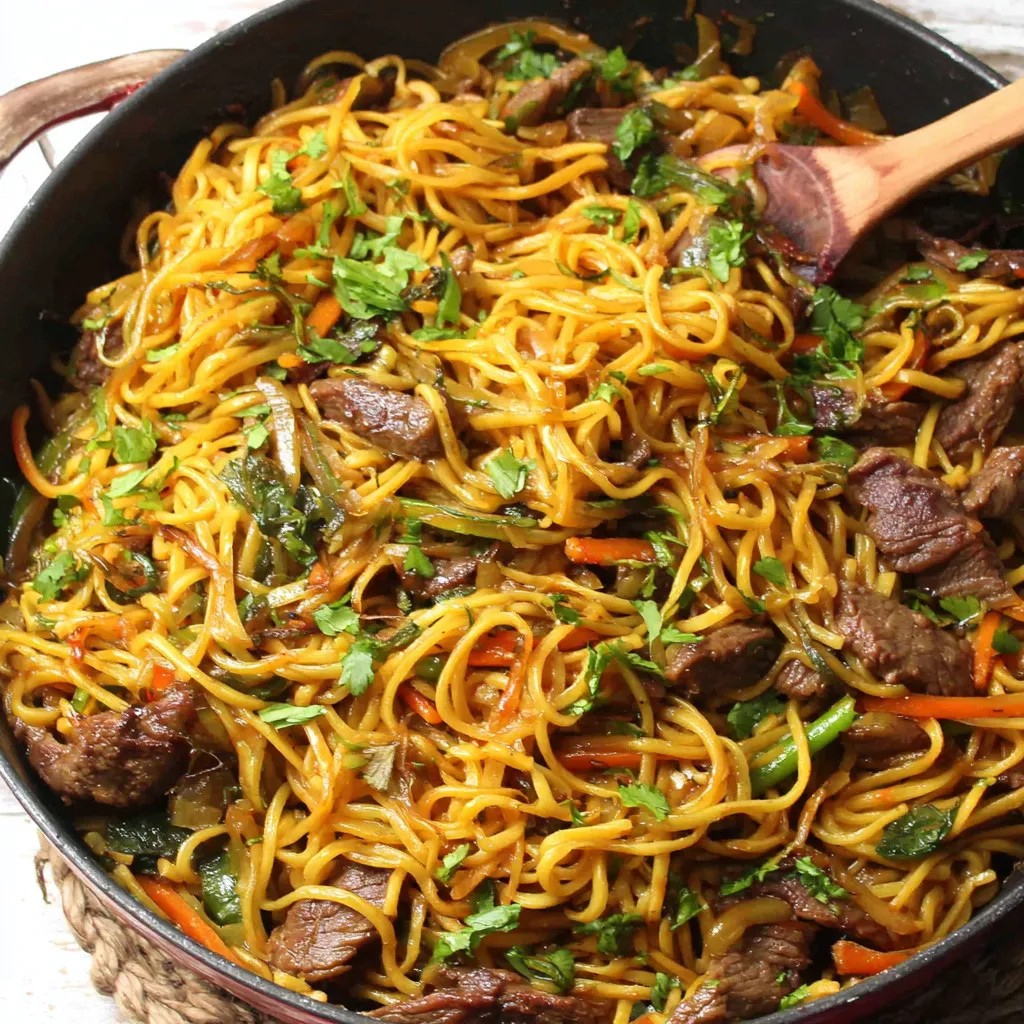

Amazing Sticky Beef Noodles
Ingredients
Equipment
Method
- Marinate the Beef: In a bowl, combine the sliced beef with soy sauce, Shaoxing wine (or sherry), cornstarch, sugar, and white pepper. Mix well and let it marinate for at least 20 minutes, or up to 2 hours in the refrigerator.
- Prepare the Noodles: Cook the Asian noodles according to package directions. Drain well and toss with sesame oil to prevent sticking.
- Make the Sauce: In a separate bowl, whisk together soy sauce, oyster sauce, brown sugar, rice vinegar, cornstarch, and chicken broth. Set aside.
- Stir-Fry the Beef: Heat vegetable oil in a large wok or skillet over high heat. Add the marinated beef and stir-fry until browned and cooked through, about 3-5 minutes. Remove the beef from the wok and set aside.
- Stir-Fry the Vegetables: Add the bell pepper and onion to the wok and stir-fry until tender-crisp, about 3-4 minutes.
- Combine and Simmer: Pour the sauce into the wok with the vegetables. Bring to a simmer, stirring constantly, until the sauce thickens, about 1-2 minutes.
- Add Beef and Noodles: Add the cooked beef and noodles to the wok. Toss everything together to coat evenly with the sauce.
- Garnish and Serve: Garnish with chopped scallions and sesame seeds. Serve immediately and enjoy!