The Alchemy of Autumn: Deconstructing the Pumpkin Pie
Pumpkin pie, at its heart, is a custard. And like any custard, its texture hinges on the delicate balance between starch gelatinization, protein coagulation, and water activity. Understanding these scientific principles is key to avoiding common pitfalls like a soggy bottom, a cracked surface, or a grainy filling.- Starch Gelatinization: Pumpkin puree is mostly water and carbohydrates, including starch. When heated, these starch granules absorb water and swell, contributing to the pie’s structure. Too much starch or too rapid heating can lead to a gummy or overly thick texture.
- Protein Coagulation: Eggs are the primary protein source in pumpkin pie. As they heat, the proteins unfold and bond together, forming a network that sets the custard. Overcooking causes the proteins to tighten and squeeze out water, resulting in a curdled or cracked pie.
- Water Activity: This refers to the amount of unbound water in the pie filling. High water activity can lead to a soggy crust, while low water activity can result in a dry, dense pie. Balancing the wet and dry ingredients is crucial for the perfect consistency. The addition of brown sugar over white sugar affects this, as brown sugar has molasses and more moisture.
The Quintessential Pumpkin Pie Recipe
Ingredients:
- For the Crust:
- 1 1/4 cups all-purpose flour
- 1/2 teaspoon salt
- 1/2 cup (1 stick) unsalted butter, cold and cubed
- 1/4 cup vegetable shortening, cold
- 4-6 tablespoons ice water
- For the Filling:
- 1 (15-ounce) can pumpkin puree (not pumpkin pie filling)
- 3 large eggs
- 3/4 cup packed light brown sugar
- 1/2 cup heavy cream
- 1/4 cup milk
- 1 teaspoon ground cinnamon
- 1/2 teaspoon ground ginger
- 1/4 teaspoon ground cloves
- 1/4 teaspoon ground nutmeg
- 1/2 teaspoon salt
Instructions:
- Make the Crust: In a large bowl, whisk together the flour and salt. Cut in the butter and shortening using a pastry blender or your fingers until the mixture resembles coarse crumbs. Gradually add the ice water, one tablespoon at a time, mixing until the dough just comes together. Form the dough into a disc, wrap in plastic wrap, and refrigerate for at least 30 minutes.
- Prebake the Crust: On a lightly floured surface, roll out the dough into a 12-inch circle. Transfer to a 9-inch pie plate. Trim and crimp the edges. Preheat oven to 375°F (190°C). Line the crust with parchment paper and fill with pie weights or dried beans. Bake for 15 minutes. Remove the parchment paper and weights, and bake for another 5-10 minutes, or until lightly golden. Let cool completely.
- Prepare the Filling: In a large bowl, whisk together the pumpkin puree, eggs, brown sugar, heavy cream, milk, cinnamon, ginger, cloves, nutmeg, and salt until smooth.
- Bake the Pie: Pour the filling into the prebaked crust. Reduce oven temperature to 350°F (175°C). Bake for 50-60 minutes, or until the filling is set around the edges but still slightly wobbly in the center. If the crust starts to brown too quickly, cover the edges with foil.
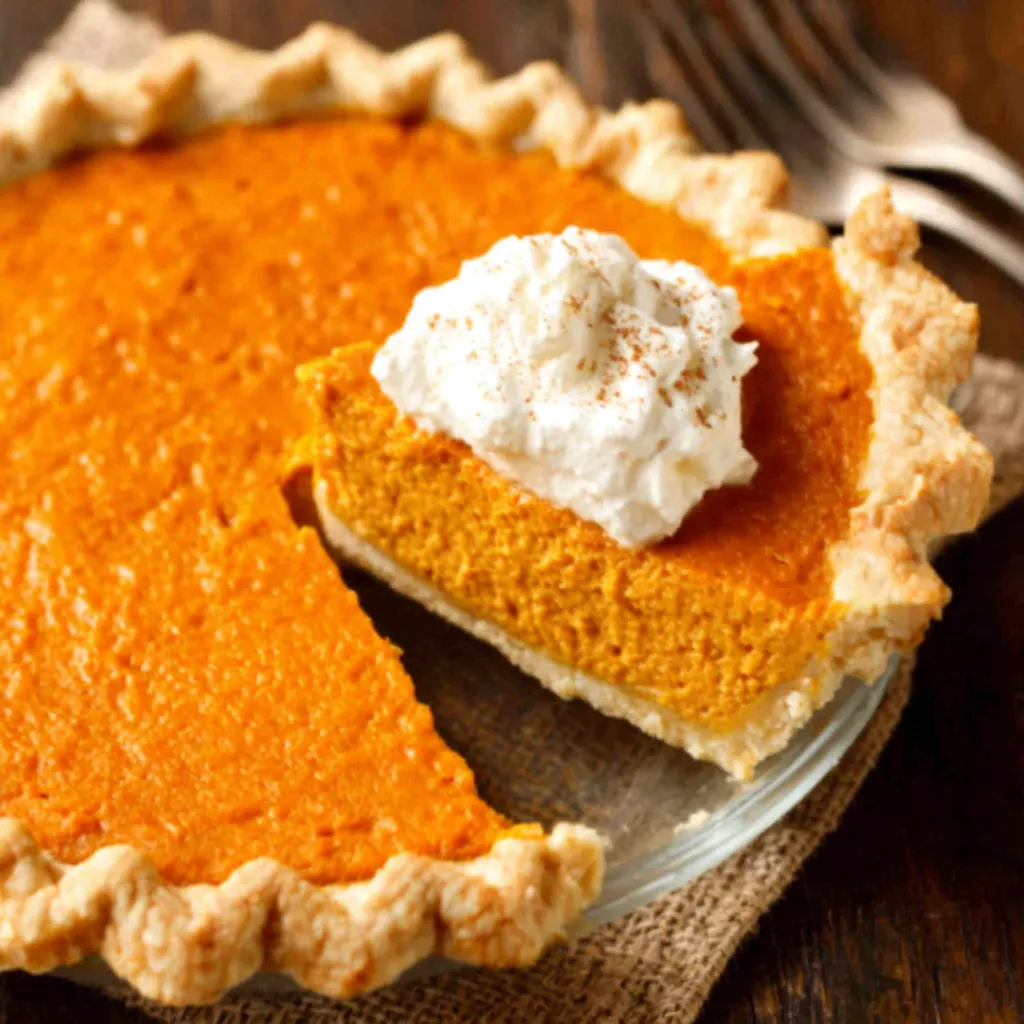
- Cool and Serve: Let the pie cool completely on a wire rack before refrigerating for at least 4 hours, or preferably overnight. Serve chilled, with whipped cream if desired. You can even pair it with a Pumpkin Spice Fireball Sangria for a truly autumnal experience.
Confessions of a Pumpkin Pie Perfectionist: My Quest for the Holy Grail
My journey to pumpkin pie perfection was paved with soggy bottoms, cracked surfaces, and fillings that tasted more like spiced squash than a decadent dessert. Like many of you, I initially thought it was a simple matter of mixing ingredients and baking. My first few attempts were a disaster. But I refused to give up. I embarked on a culinary investigation, determined to unlock the secrets of the perfect pumpkin pie.The Soggy Bottom Blues: A Crust Conundrum
My initial pies consistently suffered from a soggy crust. No matter how carefully I followed the recipes, the bottom would be a sad, waterlogged mess. Then, I had an “Aha!” moment when I realized the importance of pre-baking the crust. This step, often skipped or underestimated, is crucial for creating a barrier against the moisture from the filling. I also discovered that chilling the dough thoroughly before rolling it out prevents the gluten from overdeveloping, resulting in a more tender and flaky crust.The Cracking Code: Taming the Custard
Another recurring issue was the dreaded cracked surface. These fissures, while not affecting the taste, detracted from the pie’s aesthetic appeal. I learned that overbaking was the primary culprit. The high heat caused the proteins in the eggs to coagulate too quickly, leading to shrinkage and cracking. Lowering the oven temperature and baking the pie for a longer period allowed the custard to set more gently, preventing those unsightly cracks. I found that a water bath further helped, but was too much of a hassle for the results.Spice is Nice, But Balance is Key
The spice blend is another crucial element of pumpkin pie. Too much of one spice can overpower the others, resulting in an unbalanced flavor. I experimented with different ratios of cinnamon, ginger, cloves, and nutmeg until I found the perfect combination that complemented the pumpkin without being overwhelming. Freshly grated nutmeg makes a huge difference! Also, the pairing of this perfect pie with Caramel Apple Cheesecake Bars gives a great variety of flavors for everyone.The Sweet Spot: Sugar Selection
I even experimented with different types of sugars. While granulated sugar works, I found that brown sugar added a depth of flavor and moisture that elevated the pie to another level. The molasses in brown sugar also contributed to the pie’s rich color and aroma. For a change, you can even pair this pie with an Apple Crisp Recipe for the holidays.Puree Power: Canned vs. Fresh
I tried using both canned pumpkin puree and fresh pumpkin puree. While fresh pumpkin puree has a slightly more nuanced flavor, I found that canned pumpkin puree consistently yielded a smoother and more predictable texture. The water content of fresh pumpkin can vary, making it difficult to achieve the perfect consistency. Plus, canned pumpkin puree is readily available and a huge time-saver. Don’t even get me started on the idea of trying to replicate Pumpkin S’mores Cookie Heaven with fresh pumpkin, it’s just not the same.The Foolproof Formula: Mastering the Art of Pumpkin Pie
Here’s a breakdown of the key steps to ensure pumpkin pie perfection:- Chill the Crust: Make the pie crust ahead of time and chill it thoroughly. This allows the gluten to relax and prevents shrinkage during baking.
- Pre-Bake the Crust: Pre-baking the crust is essential for preventing a soggy bottom. Make sure to weigh it down with pie weights or dried beans to prevent it from puffing up.
- Low and Slow: Bake the pie at a lower temperature (350°F/175°C) for a longer period. This allows the custard to set more gently, preventing cracks and a rubbery texture.
- Don’t Overbake: The pie is done when the edges are set but the center is still slightly wobbly. It will continue to set as it cools.
- Cool Completely: Let the pie cool completely on a wire rack before refrigerating. This prevents condensation from forming on the surface, which can lead to a soggy crust.
- Embrace the Chill: Refrigerate the pie for at least 4 hours, or preferably overnight, before serving. This allows the flavors to meld and the custard to fully set. You can even follow up this pie with some Pumpkin Cookies!
- Spice it Right: Make sure the spices are balanced, not overwhelming the flavors of the pumpkin.
- Puree Perfection: Use canned pumpkin puree to ensure a smoother and more consistent texture.
Why is pre-baking the crust so important for pumpkin pie?
Pre-baking the crust creates a barrier against the moisture from the filling, preventing a soggy bottom.
How do you prevent the pumpkin pie from cracking on top?
Prevent cracking by baking the pie at a lower temperature (350°F/175°C) for a longer period to allow the custard to set gently. Avoid overbaking.
Why does the recipe specifically call for canned pumpkin puree instead of fresh?
Canned pumpkin puree consistently yields a smoother and more predictable texture. The water content of fresh pumpkin can vary, making it difficult to achieve the perfect consistency.
What is the best way to ensure the spices in my pumpkin pie are well-balanced?
Experiment with different ratios of cinnamon, ginger, cloves, and nutmeg until you find the perfect combination that complements the pumpkin without being overwhelming.

Best Classic Pumpkin Pie
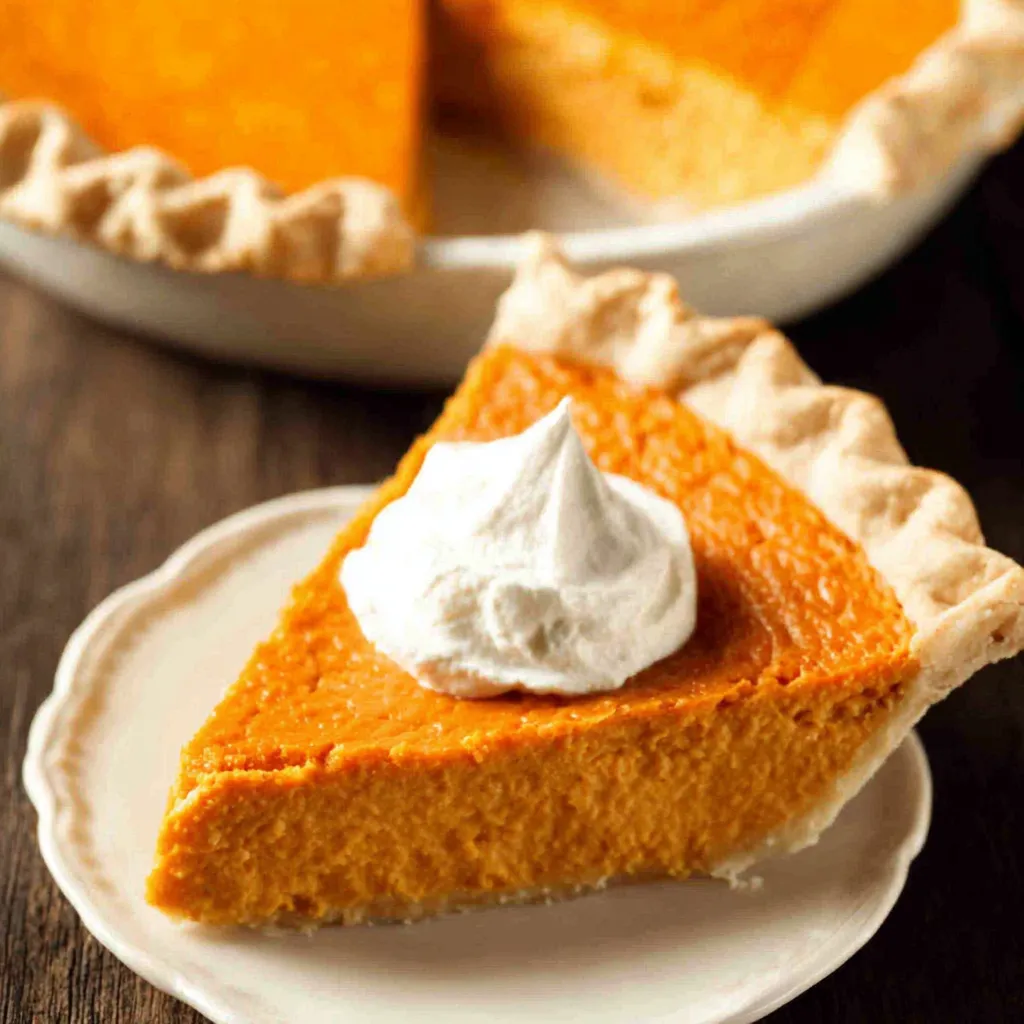
This recipe delivers a consistently perfect pumpkin pie by incorporating scientific principles to balance starch gelatinization, protein coagulation, and water activity. The result is a creamy, spiced, and comforting slice of autumnal bliss with a tender crust and smooth filling.
Ingredients
Equipment
Method
- Make the Crust: In a large bowl, whisk together the flour and salt. Cut in the butter and shortening using a pastry blender or your fingers until the mixture resembles coarse crumbs. Gradually add the ice water, one tablespoon at a time, mixing until the dough just comes together. Form the dough into a disc, wrap in plastic wrap, and refrigerate for at least 30 minutes.
- Prebake the Crust: On a lightly floured surface, roll out the dough into a 12-inch circle. Transfer to a 9-inch pie plate. Trim and crimp the edges. Preheat oven to 375°F (190°C). Line the crust with parchment paper and fill with pie weights or dried beans. Bake for 15 minutes. Remove the parchment paper and weights, and bake for another 5-10 minutes, or until lightly golden. Let cool completely.
- Prepare the Filling: In a large bowl, whisk together the pumpkin puree, eggs, brown sugar, heavy cream, milk, cinnamon, ginger, cloves, nutmeg, and salt until smooth.
- Bake the Pie: Pour the filling into the prebaked crust. Reduce oven temperature to 350°F (175°C). Bake for 50-60 minutes, or until the filling is set around the edges but still slightly wobbly in the center. If the crust starts to brown too quickly, cover the edges with foil.
- Cool and Serve: Let the pie cool completely on a wire rack before refrigerating for at least 4 hours, or preferably overnight. Serve chilled, with whipped cream if desired.
Notes
Chilling the crust is essential to prevent shrinkage. Pre-baking the crust prevents a soggy bottom. Baking at a lower temperature helps prevent cracks. Don’t overbake; the filling should be slightly wobbly in the center. Cool completely to prevent condensation. Refrigerate for at least 4 hours to allow flavors to meld. Freshly grated nutmeg enhances the spice flavor. The pie can be stored in the refrigerator for up to 3 days.