The Puffing Predicament: Decoding the Science of Airy Bites
The magic behind a truly great mashed potato cheese puff lies in understanding the science of starch gelatinization and protein coagulation. First, the potatoes. We’re dealing with starch granules, which, when heated in water (boiling), absorb the liquid and swell. This is gelatinization. Overworking the potatoes after this point releases excessive starch, resulting in gluey puffs. Next, the cheese. The proteins in the cheese, like casein, denature and coagulate when heated, providing structure. However, too much cheese can weigh the puff down, preventing it from achieving maximum airiness. Finally, the egg. The proteins in the egg also coagulate upon heating, contributing to the puff’s structural integrity. The steam generated during baking leavens the mixture, creating the airy interior. The key is to balance these elements – starch, protein, and moisture – to achieve the perfect puff.The Divine Decadence: Recipe for Mashed Potato Cheese Puffs
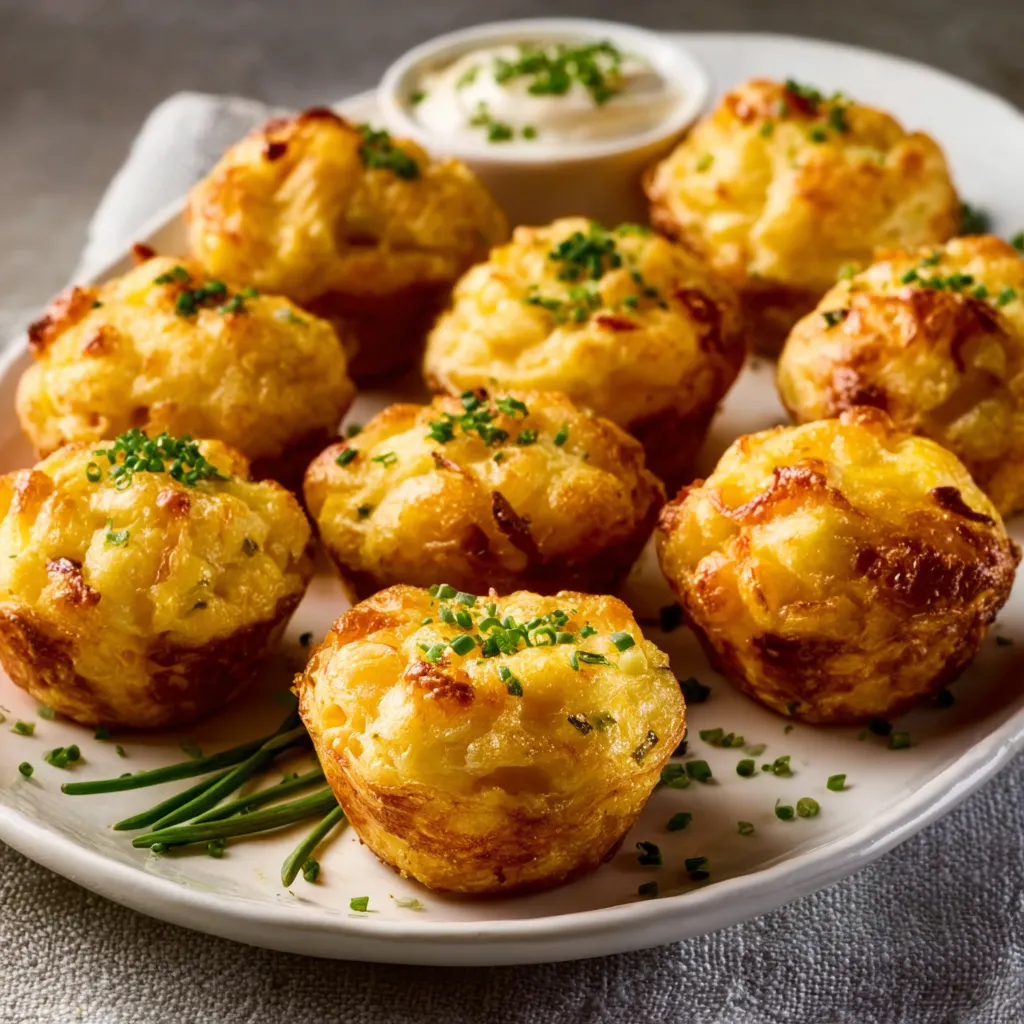
Yields:
Approximately 24 puffsPrep time:
20 minutesCook time:
25 minutesIngredients:
- 2 lbs Russet potatoes, peeled and quartered
- 1/2 cup milk
- 4 tablespoons butter
- 1/2 teaspoon salt
- 1/4 teaspoon black pepper
- 1/4 teaspoon garlic powder
- 1/2 cup shredded cheddar cheese
- 1/4 cup grated Parmesan cheese
- 1 large egg, lightly beaten
- 2 tablespoons finely chopped chives (optional)
Equipment:
- Large pot
- Potato ricer or masher
- Mixing bowls
- Baking sheet
- Parchment paper or silicone baking mat
- Cookie scoop or tablespoon
Instructions:
- Prepare the Potatoes: Place the potatoes in a large pot and cover with cold water. Bring to a boil and cook until tender, about 15-20 minutes. Drain well.
- Mash the Potatoes: Return the potatoes to the pot. Add milk and butter. Using a potato ricer or masher, mash until smooth. Be careful not to overmix.
- Season the Potatoes: Stir in salt, pepper, and garlic powder.
- Add the Cheese: Add cheddar cheese and Parmesan cheese. Stir until melted and well combined.
- Incorporate the Egg: Let the mashed potato mixture cool slightly (about 5 minutes). This is crucial to prevent the egg from scrambling. Gradually drizzle in the beaten egg, stirring constantly until fully incorporated.
- Add Chives (Optional): Stir in chopped chives, if using.
- Shape the Puffs: Preheat oven to 400°F (200°C). Line a baking sheet with parchment paper or a silicone baking mat. Using a cookie scoop or tablespoon, scoop mounds of the mashed potato mixture onto the prepared baking sheet, leaving about 1 inch between each puff.
- Bake the Puffs: Bake for 20-25 minutes, or until golden brown and puffed up.
- Cool and Serve: Let the puffs cool slightly on the baking sheet before serving. They are best served warm.
The Potato Puff Pilgrimage: My Quest for Perfection
The Soggy Start: First Few Flounders
My first few attempts were a disaster. Like many of you, I initially thought it was just a matter of throwing everything together and hoping for the best. The results? Flat, greasy disks that resembled sad potato pancakes more than light and airy puffs. I even tried adding baking powder, thinking it would magically solve all my problems. It didn’t. The baking powder just imparted a slightly bitter taste and didn’t contribute much to the overall puffiness. I began to suspect that these little guys needed far more attention than I’d initially given them. I also considered how similar this process was to making something like the Creamy Potato Soup, where potato texture is key.The Starch Revelation: Mastering the Mash
Then, I had an “Aha!” moment. It hit me that I was overworking the potatoes. I was treating them like I was making a thick soup and mashing them like mad. This released too much starch, resulting in a gluey, dense mixture that wouldn’t puff. I switched from using an electric mixer to a potato ricer. Using a ricer created perfectly smooth mashed potatoes without overworking them. This was a game-changer. I noticed an immediate improvement in the texture of the potato mixture. It was lighter and fluffier, and I had a feeling I was on the right track. I started thinking about the Air Fryer Mushroom Potato Perfection recipe, and how the type of potato mattered.The Cheese Conundrum: Striking the Right Balance
Next, I tackled the cheese. I initially added a lot of cheese, thinking it would make the puffs extra flavorful. However, the cheese weighed down the mixture, preventing it from puffing up properly. I experimented with different types of cheese and different ratios. I found that a combination of cheddar and Parmesan worked best. The cheddar provided a creamy, cheesy flavor, while the Parmesan added a salty, nutty note. I also realized that less is more when it comes to cheese. I reduced the amount of cheese until the puffs were light and airy, but still had a noticeable cheesy flavor. I even considered how this balance of cheese would effect the Garlic Parmesan Potato Chicken! recipe.The Egg Enigma: Temperature is Key
Finally, I addressed the egg. My first few attempts resulted in scrambled eggs within the potato mixture. I realized that the mashed potatoes were too hot when I added the egg, causing it to cook prematurely. I started letting the mashed potato mixture cool slightly before adding the egg. This allowed the egg to incorporate smoothly without cooking. I also made sure to whisk the egg thoroughly before adding it to the potatoes, ensuring that it was evenly distributed. This step made a huge difference in the texture of the final product. I remembered the first time I tried the Crockpot Chicken Potato Perfection recipe, and how important temperature control was.The Perfect Puff Protocol: A Foolproof Technique
After numerous attempts and meticulous adjustments, I’ve distilled the process into a foolproof method. Follow these steps, and you’ll be enjoying perfect mashed potato cheese puffs in no time.- Choose the Right Potatoes: Russet potatoes are ideal due to their high starch content.
- Don’t Overcook: Cook potatoes until fork-tender, but not mushy.
- Rice, Don’t Mash (Too Much): Use a potato ricer for the smoothest, least overworked potatoes. If using a masher, be gentle.
- Control the Temperature: Let the mashed potato mixture cool slightly before adding the egg to prevent scrambling.
- Balance the Cheese: Use a combination of cheddar and Parmesan in moderation to avoid weighing down the puffs.
- Bake Hot: Bake at 400°F (200°C) to ensure the puffs rise properly.
- Be Patient: Allow the puffs to cool slightly on the baking sheet before serving to prevent them from collapsing.
Why is it important not to overmix the potatoes when making mashed potato cheese puffs?
Overmixing releases excessive starch, resulting in gluey puffs instead of light and airy ones. Using a potato ricer helps prevent this.
What is the ideal temperature to bake the mashed potato cheese puffs and why?
Bake the puffs at 400°F (200°C) to ensure they rise properly and achieve a golden brown color.
Why do I need to let the mashed potato mixture cool slightly before adding the egg?
Letting the mixture cool prevents the egg from scrambling within the potatoes, ensuring a smooth and consistent texture.
What types of cheese are recommended for the mashed potato cheese puffs, and why?
A combination of cheddar and Parmesan is recommended. Cheddar provides a creamy, cheesy flavor, while Parmesan adds a salty, nutty note, creating a balanced taste.
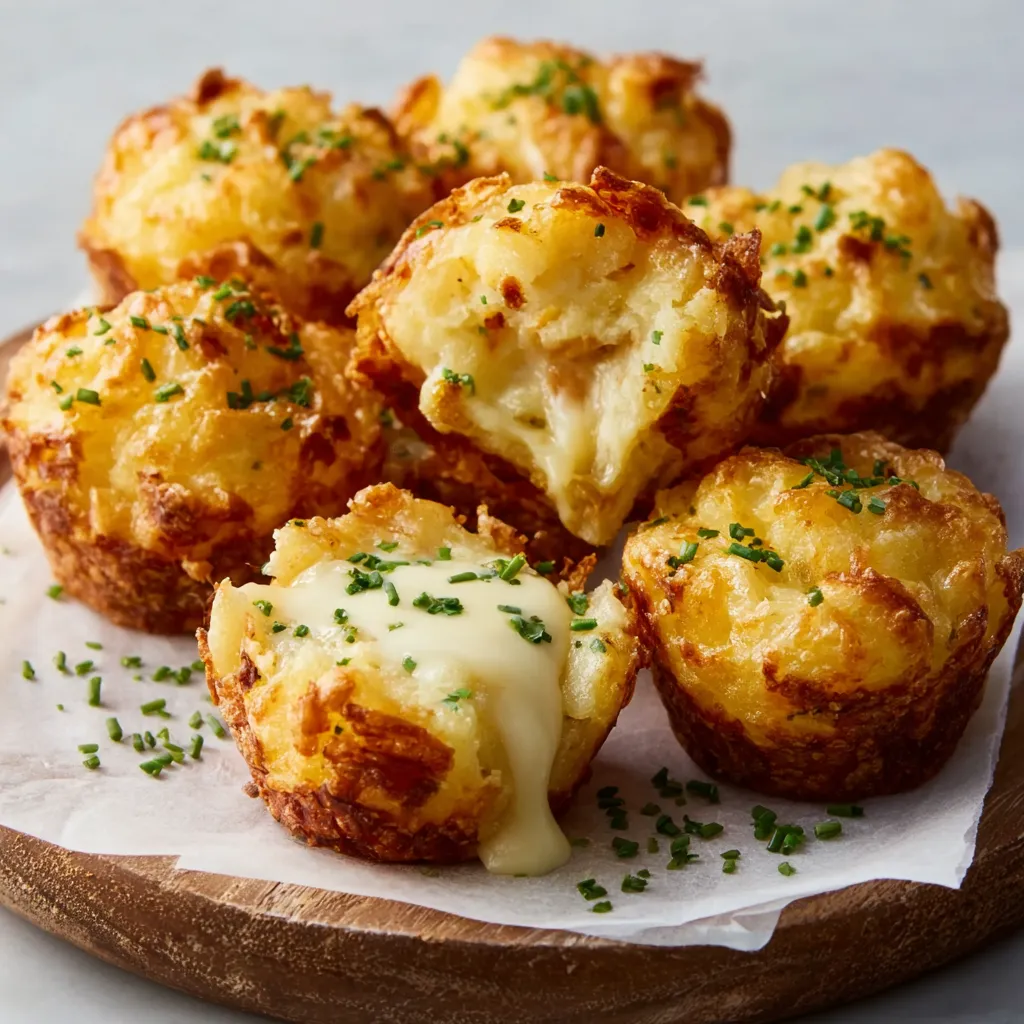

Mashed Potato Cheese Puffs
These mashed potato cheese puffs are a delightful combination of creamy potatoes, cheesy goodness, and a light, airy texture. Baked to golden perfection, they’re a perfect appetizer or side dish that’s sure to impress.
Ingredients
Equipment
Method
- Prepare the Potatoes: Place the potatoes in a large pot and cover with cold water. Bring to a boil and cook until tender, about 15-20 minutes. Drain well.
- Mash the Potatoes: Return the potatoes to the pot. Add milk and butter. Using a potato ricer or masher, mash until smooth. Be careful not to overmix.
- Season the Potatoes: Stir in salt, pepper, and garlic powder.
- Add the Cheese: Add cheddar cheese and Parmesan cheese. Stir until melted and well combined.
- Incorporate the Egg: Let the mashed potato mixture cool slightly (about 5 minutes). This is crucial to prevent the egg from scrambling. Gradually drizzle in the beaten egg, stirring constantly until fully incorporated.
- Add Chives (Optional): Stir in chopped chives, if using.
- Shape the Puffs: Preheat oven to 400°F (200°C). Line a baking sheet with parchment paper or a silicone baking mat. Using a cookie scoop or tablespoon, scoop mounds of the mashed potato mixture onto the prepared baking sheet, leaving about 1 inch between each puff.
- Bake the Puffs: Bake for 20-25 minutes, or until golden brown and puffed up.
- Cool and Serve: Let the puffs cool slightly on the baking sheet before serving. They are best served warm.
Notes
For best results, use Russet potatoes due to their high starch content. Avoid overmixing the potatoes to prevent a gluey texture. Ensure the mashed potato mixture cools slightly before adding the egg to prevent scrambling. These puffs are best served warm. Store leftovers in an airtight container in the refrigerator for up to 3 days. Reheat in the oven or air fryer for the best texture. For a spicier kick, add a pinch of cayenne pepper to the potato mixture.