The Sweet Science of Maple Perfection
The key to a truly remarkable maple cookie boils down to three main factors: maple syrup composition, fat content, and flour type. Maple syrup, unlike granulated sugar, contains a significant amount of water (around 33%). This extra moisture can wreak havoc on cookie structure, leading to excessive spreading and a thin, brittle texture. The sugars in maple syrup – primarily sucrose, glucose, and fructose – also caramelize differently than granulated sugar, resulting in a unique flavor profile, but also a tendency to burn more easily if not carefully controlled. The type of fat used also plays a critical role. Butter, with its lower melting point, can contribute to spreading, while shortening provides a more stable structure. Lastly, the protein content of the flour influences the cookie’s chewiness and texture. Too much gluten development and you’ll end up with a tough cookie, too little and it will crumble apart. Achieving the right balance is crucial for creating a tender, flavorful maple cookie that holds its shape.The Ultimate White Chocolate Maple Cookie Recipe
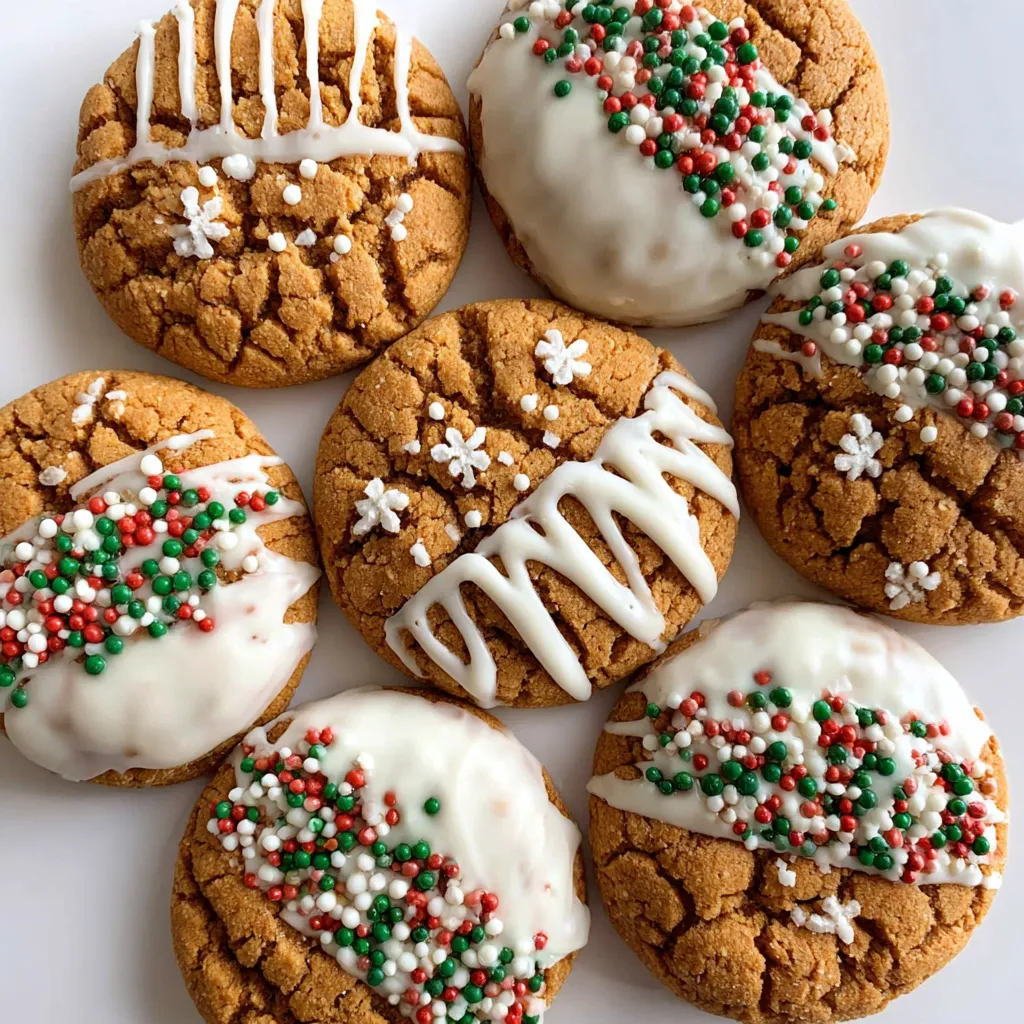
Ingredients:
- 1 cup (2 sticks) unsalted butter, softened
- ¾ cup granulated sugar
- ¼ cup packed light brown sugar
- ½ cup pure maple syrup (Grade A Dark or Grade B)
- 1 large egg
- 2 teaspoons vanilla extract
- 2 ¼ cups all-purpose flour
- 1 teaspoon baking soda
- ½ teaspoon salt
- 1 cup white chocolate chips
Instructions:
- Preheat your oven to 350°F (175°C) and line baking sheets with parchment paper.
- In a large bowl, cream together the softened butter, granulated sugar, and brown sugar until light and fluffy.
- Beat in the maple syrup, egg, and vanilla extract until well combined.
- In a separate bowl, whisk together the flour, baking soda, and salt.
- Gradually add the dry ingredients to the wet ingredients, mixing until just combined. Be careful not to overmix.
- Stir in the white chocolate chips.
- Drop by rounded tablespoons onto the prepared baking sheets, leaving some space between cookies.
- Bake for 9-11 minutes, or until the edges are lightly golden brown. The centers may still appear slightly soft.
- Let the cookies cool on the baking sheets for a few minutes before transferring them to a wire rack to cool completely.
My Maple Cookie Investigation: A Tale of Triumph and Tribulation
My quest for the perfect maple cookie started innocently enough, fueled by a craving for something sweet and comforting. My first few attempts were a disaster. The cookies spread into thin, crispy sheets, and the maple flavor was barely discernible. I knew I needed to dig deeper.The Great Maple Syrup Experiment
Like many of you, I initially thought that any maple syrup would do. I grabbed a bottle of imitation maple-flavored syrup from the grocery store and jumped right in. Big mistake! The resulting cookies tasted artificial and lacked the depth and complexity I was looking for. Then, I had an “Aha!” moment: the quality of the maple syrup matters immensely. I switched to using pure maple syrup, specifically Grade A Dark (now often labeled as “Robust”) and Grade B (now often labeled as “Very Dark/Strong Taste”), and the flavor improved dramatically. The darker syrups have a more intense maple flavor that holds up better during baking.The Fat Factor: Butter vs. Shortening
Next, I tackled the issue of spreading. My initial recipes relied solely on butter, which, while delicious, contributed to the cookies’ thin and crispy texture. I decided to experiment with different ratios of butter and shortening. Using all shortening resulted in a cookie that was too dry and lacked the rich flavor of butter. After several iterations, I found that using a combination of butter and shortening – specifically, all butter in this final recipe – provided the perfect balance of flavor and structure.Flour Power: Finding the Right Balance
Finally, I turned my attention to the flour. I started with a basic all-purpose flour, but the cookies were either too chewy or too crumbly. I experimented with different brands of flour and even tried using cake flour, but nothing seemed to work perfectly. Eventually, I realized that the key was to be mindful of the gluten development. I started mixing the dough until just combined, avoiding overmixing, which can lead to a tough cookie. This simple change made a huge difference in the texture of the final product. Also, remember that different all-purpose flours have different protein contents. You might have to play with the ratios if you find that your cookies are spreading too much or not enough. I even baked a batch with added Maple Pumpkin Cookies spices for a festive variation!The Foolproof Maple Cookie Technique: A Step-by-Step Guide to Success
Here’s a summary of the foolproof method I developed, distilled from countless hours of experimentation:- Use high-quality, dark maple syrup: Opt for Grade A Dark or Grade B for the most intense maple flavor.
- Cream the butter and sugars properly: This creates air pockets that contribute to a light and fluffy texture.
- Don’t overmix the dough: Overmixing develops gluten, resulting in a tough cookie. Mix until just combined.
- Chill the dough (optional): Chilling the dough for at least 30 minutes can help prevent spreading, but it’s not strictly necessary for this recipe.
- Bake at the right temperature: 350°F (175°C) is the sweet spot for these cookies, allowing them to bake evenly without burning.
- Don’t overbake: Remove the cookies from the oven when the edges are lightly golden brown and the centers still appear slightly soft. They will continue to bake as they cool on the baking sheet.
- Cool completely: Allow the cookies to cool completely on a wire rack before storing them. This will prevent them from becoming soggy.
Why does the recipe emphasize using high-quality, dark maple syrup?
High-quality, dark maple syrup (Grade A Dark or Grade B) provides the most intense and authentic maple flavor, which holds up better during baking compared to lighter syrups or imitation maple-flavored syrups.
Why is it important not to overmix the cookie dough?
Overmixing develops the gluten in the flour, which can result in a tough cookie. Mixing until just combined ensures a tender and chewy texture.
What is the ideal baking temperature for these white chocolate maple cookies and how do I know when they’re done?
The ideal baking temperature is 350°F (175°C). The cookies are done when the edges are lightly golden brown and the centers still appear slightly soft. They will continue to bake as they cool on the baking sheet.
Can I chill the dough before baking, and if so, why?
Chilling the dough for at least 30 minutes before baking is optional. It can help prevent spreading, but it’s not strictly necessary for this particular white chocolate maple cookie recipe.
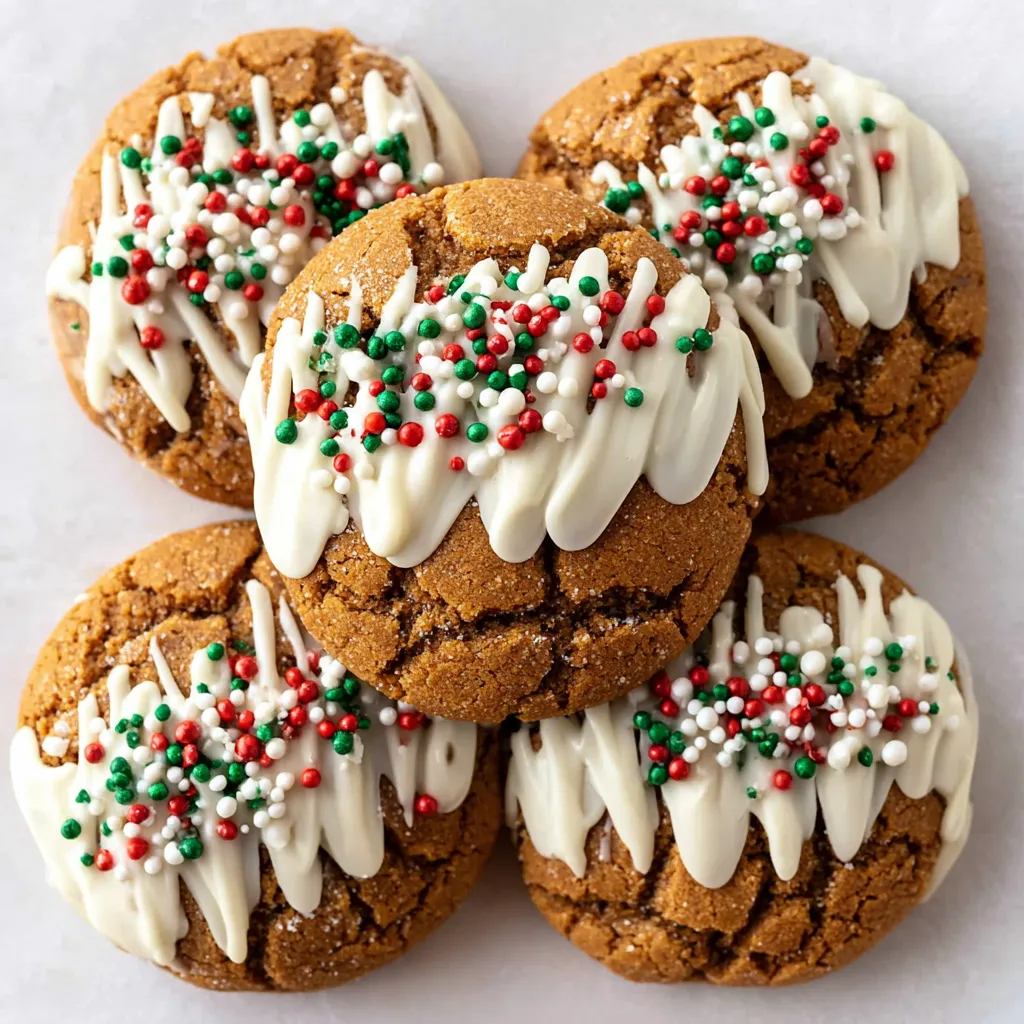

Perfect White Chocolate Maple Cookies
Ingredients
Equipment
Method
- Preheat your oven to 350°F (175°C) and line baking sheets with parchment paper.
- In a large bowl, cream together the softened butter, granulated sugar, and brown sugar until light and fluffy.
- Beat in the maple syrup, egg, and vanilla extract until well combined.
- In a separate bowl, whisk together the flour, baking soda, and salt.
- Gradually add the dry ingredients to the wet ingredients, mixing until just combined. Be careful not to overmix.
- Stir in the white chocolate chips.
- Drop by rounded tablespoons onto the prepared baking sheets, leaving some space between cookies.
- Bake for 9-11 minutes, or until the edges are lightly golden brown. The centers may still appear slightly soft.
- Let the cookies cool on the baking sheets for a few minutes before transferring them to a wire rack to cool completely.