Unlocking the Secrets: The Science Behind the Smoke
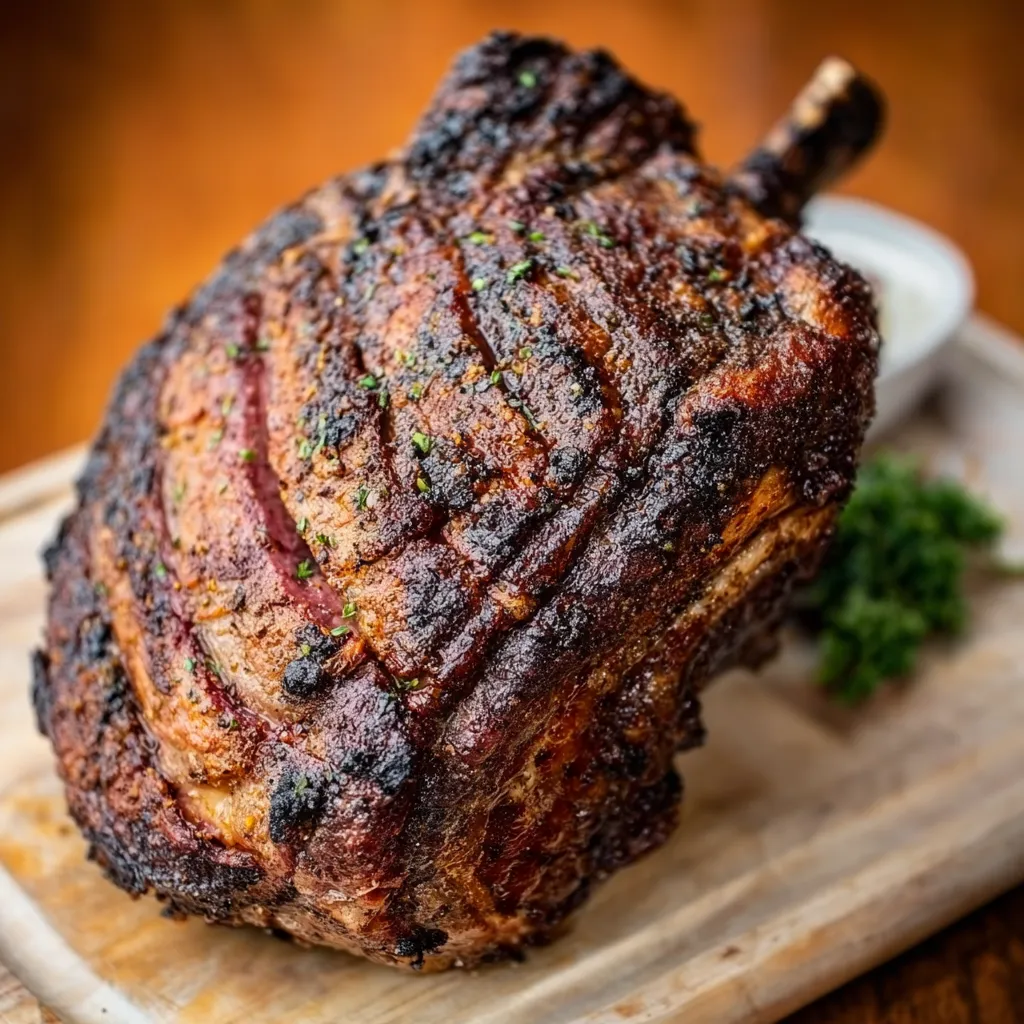
The key to a stellar Smoked Prime Rib Roast lies in understanding a few fundamental scientific principles. First, we need to talk about the Maillard reaction, that glorious chemical reaction between amino acids and reducing sugars that creates the browned crust and complex flavors we crave. This reaction occurs most effectively at temperatures between 285°F and 350°F (140°C and 175°C). Smoking at lower temperatures allows the meat to absorb the smoky flavor without overcooking the interior. Second, understanding carryover cooking is essential. After removing the roast from the smoker, the internal temperature will continue to rise by several degrees. This is due to the residual heat within the meat. Account for this by pulling the roast from the smoker when it’s a few degrees *below* your target temperature. Finally, fat is your friend! A well-marbled prime rib roast has intramuscular fat that renders during cooking, basting the meat from within and adding incredible flavor and moisture. Don’t trim the fat cap too aggressively; it acts as a self-basting layer.The Ultimate Smoked Prime Rib Roast Recipe
Ingredients:
- 1 (4-6 pound) Prime Rib Roast, bone-in or boneless
- 2 tablespoons Kosher salt
- 1 tablespoon Black pepper, freshly ground
- 1 tablespoon Garlic powder
- 1 tablespoon Onion powder
- 1 teaspoon Dried thyme
- 1 teaspoon Dried rosemary, crushed
- 2 tablespoons Olive oil
Equipment:
- Smoker (pellet, charcoal, or electric)
- Wood chips or chunks (hickory, oak, or mesquite)
- Meat thermometer (instant-read and leave-in)
- Roasting pan with rack
- Aluminum foil
Instructions:
- Prepare the Roast: Pat the prime rib roast dry with paper towels. This is crucial for achieving a good sear.
- Make the Rub: In a small bowl, combine the salt, pepper, garlic powder, onion powder, thyme, and rosemary.
- Season the Roast: Rub the olive oil all over the prime rib roast. Then, generously coat the entire roast with the spice rub, pressing it into the meat.
- Rest the Roast: Place the seasoned roast on a wire rack in a roasting pan and refrigerate, uncovered, for at least 4 hours, or preferably overnight. This allows the salt to penetrate the meat, resulting in a more flavorful and tender roast.
- Prepare the Smoker: Preheat your smoker to 225°F (107°C). Add your chosen wood chips or chunks according to your smoker’s instructions. I prefer using hickory for its robust flavor, but oak is a close second.
- Smoke the Roast: Place the roasting pan with the prime rib roast in the smoker. Insert a leave-in meat thermometer into the thickest part of the roast, avoiding bone if using a bone-in roast.
- Monitor Temperature: Smoke the roast until it reaches an internal temperature of 120°F (49°C) for rare, 130°F (54°C) for medium-rare, or 140°F (60°C) for medium. This will typically take 3-5 hours, depending on the size of your roast and the efficiency of your smoker.
- Sear (Optional): For a deeper crust, you can sear the roast after smoking. Preheat a grill or cast iron skillet to high heat. Sear the roast on all sides for 1-2 minutes per side, until a rich, dark crust forms. Alternatively, increase the smoker temperature to 450°F (232°C) for the last 15-20 minutes of cooking.
- Rest: Remove the roast from the smoker (or grill/skillet) and wrap it loosely with aluminum foil. Let it rest for at least 30 minutes, or up to an hour. This allows the juices to redistribute throughout the meat, resulting in a more tender and flavorful roast.
- Carve and Serve: Carve the prime rib roast against the grain into slices about 1/2 inch thick. Serve immediately.
My Prime Rib Pilgrimage: A Culinary Investigation
My journey to mastering the Smoked Prime Rib Roast was paved with both triumphs and tribulations. My first few attempts were a disaster – dry, unevenly cooked, and lacking that signature smoky flavor. Then, I had an “Aha!” moment: it wasn’t just about the recipe, but about understanding the *process*.The Initial Fiascos: Dry and Disappointing
Like many of you, I initially thought that simply throwing a prime rib roast into a smoker would magically result in a culinary masterpiece. I was wrong. My first attempt resulted in a roast that was dry on the outside and practically raw in the center. I had used too high of a temperature and hadn’t allowed for adequate resting time. It was edible, but far from impressive.The Brine Breakthrough: Moisture Matters
Frustrated, I dove into researching methods for retaining moisture. I experimented with brining, soaking the roast in a salt and sugar solution before smoking. This definitely improved the moisture content, but the texture was almost too soft, and the flavor profile was off. The Beef Tenderloin Roast recipe I had tried previously had a similar brining approach, but it just didn’t translate well to the Prime Rib.The Dry-Braising Revelation: A Game Changer
That’s when I stumbled upon the concept of dry-brining – applying a generous amount of salt to the roast and letting it sit in the refrigerator for an extended period. The salt draws out moisture, which then dissolves the salt, creating a concentrated brine that is reabsorbed into the meat. This not only seasons the roast from within but also helps to tenderize it. I also realized that the quality of the beef made a big difference. You wouldn’t use just any cut of meat for something like Steak Tortellini, so why cheap out on the prime rib?The Smoke Showdown: Finding the Right Wood
Choosing the right wood for smoking is crucial. I tried mesquite, which imparted a strong, smoky flavor that overpowered the natural taste of the beef. I also experimented with fruit woods like apple and cherry, which were too subtle. Hickory proved to be the sweet spot, providing a balanced smoky flavor that complemented the richness of the prime rib. Oak is another excellent choice, offering a slightly milder smoky flavor.The Sear Strategy: Crust Creation
Achieving a beautiful crust was another challenge. Initially, I tried searing the roast before smoking, but this resulted in a tough, leathery exterior. Searing after smoking, either on a grill or in a cast iron skillet, proved to be the most effective method for creating a flavorful, crispy crust. I’ve found that quickly searing, similar to what one might do when preparing Queso Rice Steak, gives the best results. I’ve even considered using a similar garlic butter sauce used in Slow Cooker Garlic Butter Beef Bites With Potatoes, but that may be a bridge too far!The Foolproof Formula: A Step-by-Step Guide to Perfection
Based on my extensive experimentation, here’s a foolproof method for consistently producing a perfectly Smoked Prime Rib Roast:- Dry-Brine for Success: Generously salt the roast and refrigerate uncovered for at least 4 hours, or preferably overnight.
- Low and Slow is the Way to Go: Smoke at 225°F (107°C) until the internal temperature reaches 120°F (49°C) for rare or 130°F (54°C) for medium-rare.
- Wood Wisdom: Use hickory or oak wood for a balanced smoky flavor.
- Sear for Flavor: Sear the roast after smoking for a crispy, flavorful crust.
- Rest is Best: Rest the roast for at least 30 minutes before carving.
- Mind the Carryover: Remember that the temperature will continue to rise after removing from the smoker.
- Use a Reliable Thermometer: A good meat thermometer is your best friend.
What is the ideal smoking temperature for a prime rib roast, and why?
The ideal smoking temperature is 225°F (107°C). Smoking at this lower temperature allows the meat to absorb the smoky flavor without overcooking the interior, while still allowing the Maillard reaction to occur.
Why is it important to rest the prime rib roast after smoking?
Resting the roast, loosely wrapped in aluminum foil, for at least 30 minutes allows the juices to redistribute throughout the meat. This results in a more tender and flavorful roast.
What is dry-brining, and why is it beneficial for a Smoked Prime Rib Roast?
Dry-brining involves applying a generous amount of salt to the roast and refrigerating it, uncovered, for an extended period. This process draws out moisture, which then dissolves the salt, creating a concentrated brine that is reabsorbed into the meat. This seasons the roast from within and helps to tenderize it.
What woods are recommended for smoking a prime rib roast, and why?
Hickory and oak are recommended. Hickory provides a robust, balanced smoky flavor that complements the richness of the prime rib, while oak offers a slightly milder smoky flavor.
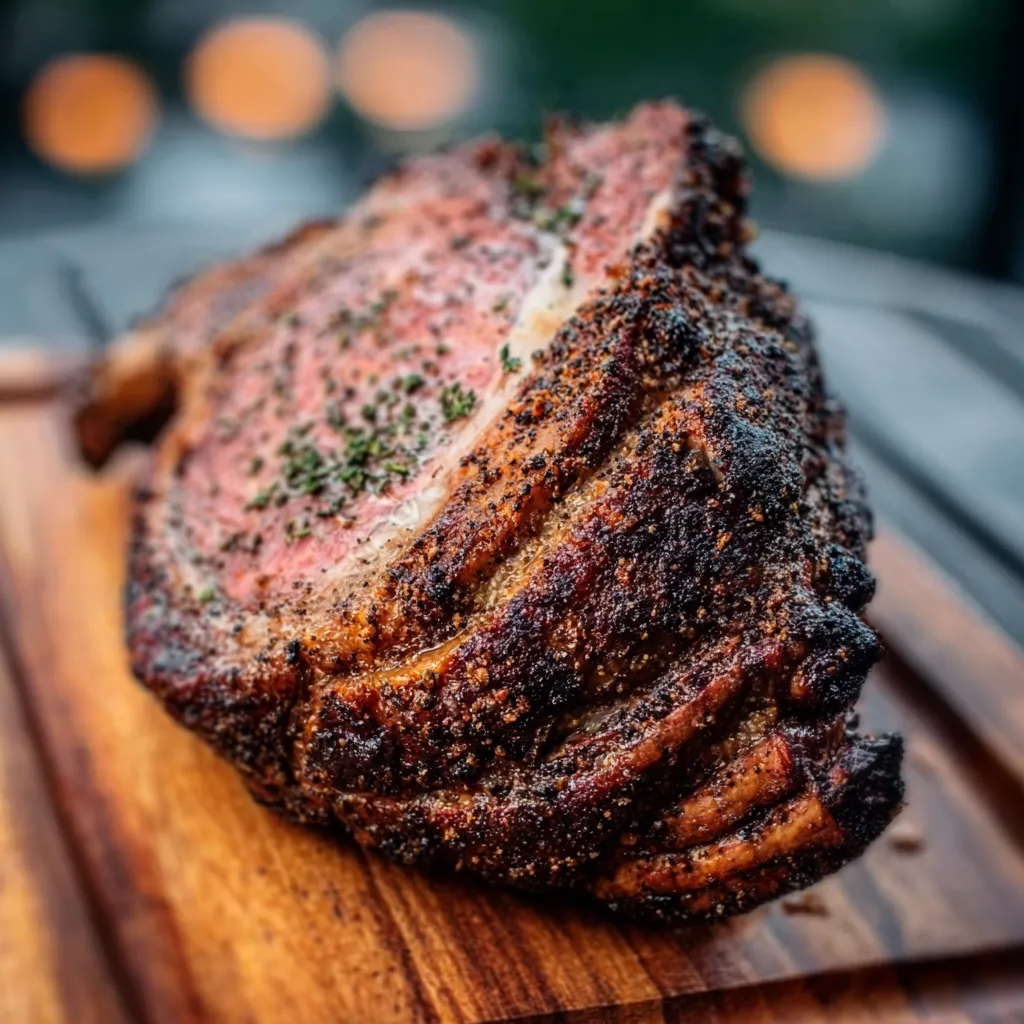

Ultimate Smoked Prime Rib Roast
Ingredients
Equipment
Method
- Pat the prime rib roast dry with paper towels.
- In a small bowl, combine the salt, pepper, garlic powder, onion powder, thyme, and rosemary.
- Rub the olive oil all over the prime rib roast.
- Generously coat the entire roast with the spice rub, pressing it into the meat.
- Place the seasoned roast on a wire rack in a roasting pan and refrigerate, uncovered, for at least 4 hours, or preferably overnight.
- Preheat your smoker to 225°F (107°C).
- Add your chosen wood chips or chunks according to your smoker’s instructions.
- Place the roasting pan with the prime rib roast in the smoker.
- Insert a leave-in meat thermometer into the thickest part of the roast, avoiding bone if using a bone-in roast.
- Smoke the roast until it reaches an internal temperature of 120°F (49°C) for rare, 130°F (54°C) for medium-rare, or 140°F (60°C) for medium. This will typically take 3-5 hours.
- For a deeper crust (optional), preheat a grill or cast iron skillet to high heat. Sear the roast on all sides for 1-2 minutes per side, until a rich, dark crust forms. Alternatively, increase the smoker temperature to 450°F (232°C) for the last 15-20 minutes of cooking.
- Remove the roast from the smoker (or grill/skillet) and wrap it loosely with aluminum foil.
- Let it rest for at least 30 minutes, or up to an hour.
- Carve the prime rib roast against the grain into slices about 1/2 inch thick.
- Serve immediately.