
The Starch Saga: Unlocking Potato Perfection
The magic behind truly exceptional stewed potatoes lies in understanding the humble spud itself. Potatoes are, of course, primarily starch, and the behavior of that starch during cooking dictates the final outcome. When heated in liquid, potato starch granules absorb water and swell – a process called gelatinization. This is what makes potatoes tender and contributes to the creamy texture we crave. However, overcooking leads to excessive gelatinization and granule rupture, resulting in a mushy, gluey mess. The type of potato also plays a crucial role. Waxy potatoes, like red potatoes, have less starch and hold their shape better, while starchy potatoes, like russets or Yukon Golds, break down more easily, contributing to a creamier sauce but requiring a more delicate hand. Understanding this delicate balance is key to achieving the perfect Southern stewed potatoes, which are a quintessential element of Southern cooking and often feature in satisfying and affordable budget meals.The Recipe: Southern Stewed Potatoes
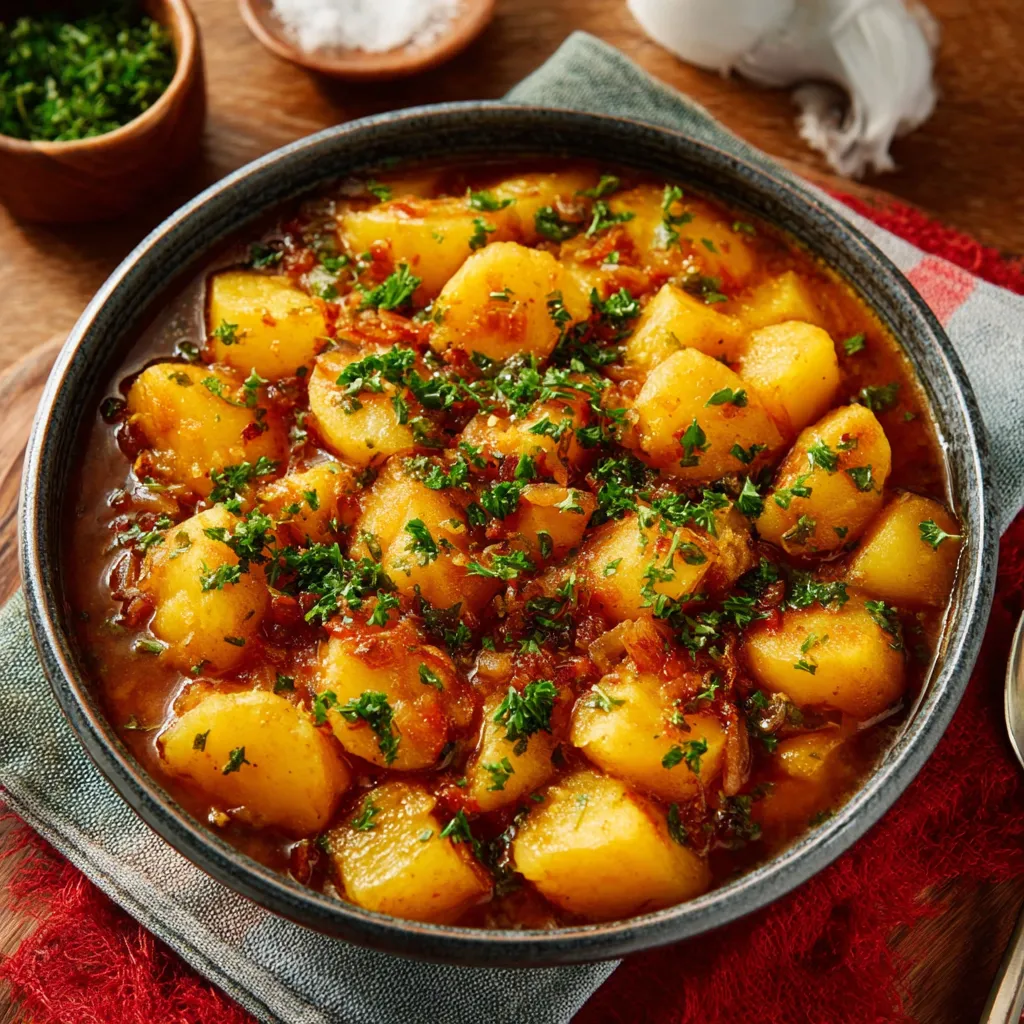
Ingredients:
- 2 pounds Yukon Gold potatoes, peeled and cubed (about 1-inch pieces)
- 1 medium yellow onion, chopped
- 1/4 cup butter
- 2 tablespoons all-purpose flour
- 3 cups chicken broth (low sodium preferred)
- 1 cup milk (whole or 2%)
- Salt and freshly ground black pepper to taste
- Optional: 1/4 cup chopped fresh parsley, for garnish
- Optional: 1/2 teaspoon garlic powder
Instructions:
- Sauté the Aromatics: In a large pot or Dutch oven, melt the butter over medium heat. Add the chopped onion and cook until softened and translucent, about 5-7 minutes.
- Create a Roux: Sprinkle the flour over the softened onions and butter. Cook, stirring constantly, for 1-2 minutes to create a roux. This will help thicken the stew. Be careful not to brown the flour too much.
- Add the Broth: Gradually whisk in the chicken broth, making sure to incorporate the roux completely and prevent any lumps from forming.
- Simmer the Potatoes: Add the cubed potatoes to the pot. Bring the mixture to a simmer, then reduce the heat to low, cover, and cook for 15-20 minutes, or until the potatoes are tender but not falling apart.
- Cream It Up: Stir in the milk and garlic powder (if using). Season with salt and pepper to taste.
- Gentle Simmer: Continue to simmer gently for another 5-10 minutes, allowing the sauce to thicken slightly. Be careful not to boil the mixture, as this can cause the milk to curdle.
- Serve: Garnish with chopped fresh parsley, if desired, and serve hot. This classic potato side dish pairs wonderfully with a main course like Garlic Parmesan Potato Chicken!.
The Stewed Potato Saga: My Journey to Perfection
My first few attempts were a disaster. Seriously. I’d end up with either a watery, flavorless soup or a gluey, mashed potato-esque abomination. Like many of you, I initially thought that stewed potatoes were just potatoes boiled in water. Oh, how wrong I was!Act I: The Watery Wasteland
My initial approach was simple: potatoes, water, maybe a little salt. The result? Bland, watery potatoes that tasted…well, like boiled potatoes. There was no creaminess, no depth of flavor, nothing remotely resembling the comforting Southern stewed potatoes I remembered from my childhood. I tried adding more salt, then less salt. I experimented with different types of potatoes. Nothing worked. I even considered giving up and just making Creamy Potato Soup instead.Act II: The Gluey Apocalypse
Frustrated, I decided to take a different tack. If water was the enemy, I reasoned, then I needed more thickening. I added cornstarch. Big mistake. The potatoes became thick and gluey, with an unpleasant, artificial texture. Then, I had an “Aha!” moment: a roux. The classic French technique of cooking flour and butter to create a thickening agent seemed like the perfect solution. This was a step in the right direction, but the potatoes still weren’t quite right. They were creamy, yes, but they lacked flavor and the potatoes often became too soft, falling apart in the sauce. I needed to figure out how to cook the potatoes properly and coax out the best flavor. I considered adding them to a Crockpot Chicken Potato Perfection.Act III: The Golden Revelation
The turning point came when I started experimenting with chicken broth. Suddenly, the potatoes had depth and complexity. The broth provided a savory backbone that elevated the entire dish. I also realized the importance of using Yukon Gold potatoes. They strike the perfect balance between starchiness and firmness, holding their shape while still contributing to a creamy texture. Finally, I learned the importance of gentle simmering. Boiling the potatoes caused them to break down too quickly, resulting in a mushy mess. A gentle simmer, on the other hand, allowed the potatoes to cook evenly and develop a creamy texture without falling apart. Adding a bit of milk at the end, along with a touch of garlic powder, was the final touch that brought everything together. Now, served with a nice Meatloaf Mashed Potatoeseer, it was absolutely perfect.The Foolproof Method: Mastering Stewed Potatoes
After countless iterations, here’s my foolproof method for achieving perfect Southern stewed potatoes every time:- Choose the Right Potato: Opt for Yukon Gold potatoes for the ideal balance of starch and firmness.
- Sauté the Aromatics: Don’t skip the step of sautéing the onion in butter. This builds a flavorful base for the entire dish.
- Master the Roux: Cook the flour and butter for 1-2 minutes to create a roux that will thicken the stew.
- Use Broth, Not Just Water: Chicken broth adds depth and complexity to the flavor.
- Simmer Gently: Avoid boiling the potatoes. A gentle simmer is the key to preventing them from becoming mushy.
- Add Milk at the End: Stir in the milk at the very end to create a creamy, rich sauce.
- Season Generously: Don’t be afraid to season with salt and pepper to taste.
What type of potato is best to use for Southern Stewed Potatoes and why?
Yukon Gold potatoes are recommended because they offer a good balance of starchiness and firmness, holding their shape while still contributing to a creamy texture.
Why is it important to create a roux when making stewed potatoes?
The roux, made from cooking flour and butter, acts as a thickening agent, helping to create a creamy stew and preventing it from being too watery.
Why should I simmer the potatoes gently instead of boiling them?
A gentle simmer prevents the potatoes from breaking down too quickly and becoming mushy. It allows them to cook evenly and develop a creamy texture without falling apart.
What is the key ingredient that elevates the flavor of these stewed potatoes beyond just boiling them in water?
Using chicken broth instead of water is crucial because it adds depth and complexity to the flavor, providing a savory backbone to the dish.
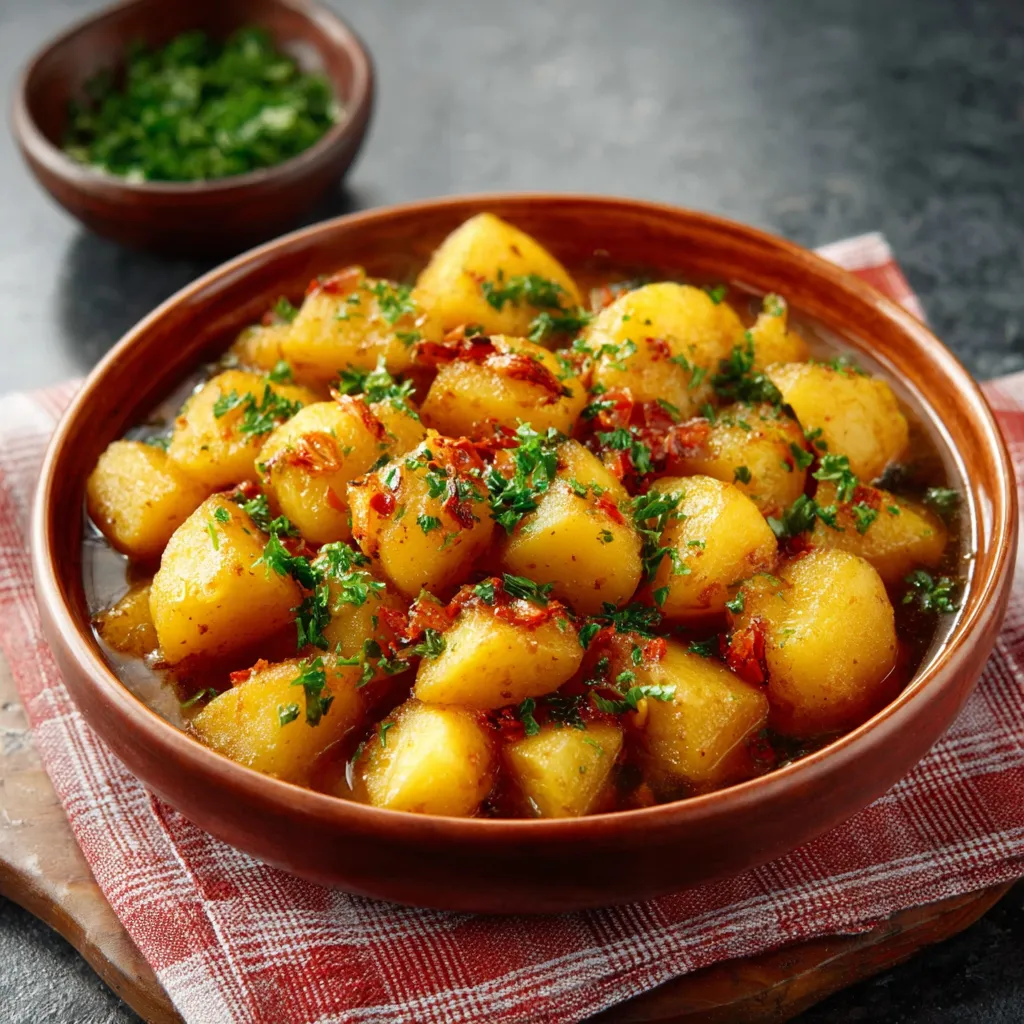

Southern Stewed Potatoes
This recipe delivers creamy, flavorful Southern Stewed Potatoes, a comforting and budget-friendly dish perfect as a side. The secret lies in using Yukon Gold potatoes, creating a roux, and simmering gently in chicken broth for a rich, satisfying experience.
Ingredients
Equipment
Method
- Sauté the Aromatics: In a large pot or Dutch oven, melt the butter over medium heat. Add the chopped onion and cook until softened and translucent, about 5-7 minutes.
- Create a Roux: Sprinkle the flour over the softened onions and butter. Cook, stirring constantly, for 1-2 minutes to create a roux. Be careful not to brown the flour too much.
- Add the Broth: Gradually whisk in the chicken broth, making sure to incorporate the roux completely and prevent any lumps from forming.
- Simmer the Potatoes: Add the cubed potatoes to the pot. Bring the mixture to a simmer, then reduce the heat to low, cover, and cook for 15-20 minutes, or until the potatoes are tender but not falling apart.
- Cream It Up: Stir in the milk and garlic powder (if using). Season with salt and pepper to taste.
- Gentle Simmer: Continue to simmer gently for another 5-10 minutes, allowing the sauce to thicken slightly. Be careful not to boil the mixture, as this can cause the milk to curdle.
- Serve: Garnish with chopped fresh parsley, if desired, and serve hot.
Notes
For best results, use Yukon Gold potatoes. Avoid boiling the potatoes to prevent them from becoming mushy. Adjust the amount of milk to achieve desired creaminess. Store leftovers in an airtight container in the refrigerator for up to 3 days.