I still remember the first time I tried to impress my soon-to-be in-laws with a Thanksgiving dinner, and the pressure was ON, especially when tasked with bringing the classic side dish, Scalloped Potatoes. The potatoes were undercooked, the sauce was thin, and I almost cried, but don’t you worry, my friend; I’ve learned from every mistake and now I’m going to guide you to scalloped potato perfection!
The Ultimate Guide to Scalloped Potatoes: From Novice to Pro
Alright, let’s talk about Scalloped Potatoes. This dish is a comforting classic for a reason, but nailing that creamy, tender, and perfectly browned result can be a bit of an art. I’m here to share all my tips and tricks for creating a scalloped potato masterpiece that will have everyone begging for seconds. We’re diving into ingredient selection, preparation secrets, and foolproof baking techniques.
What Makes a Great Scalloped Potato?
Before we jump into the recipe, let’s break down what separates a good scalloped potato dish from an amazing one:
- Tender Potatoes: No one wants crunchy, undercooked potatoes.
- Creamy Sauce: The sauce should be rich, luscious, and cling perfectly to the potato slices.
- Flavor: A balanced flavor profile that’s savory, slightly sweet, and perfectly seasoned.
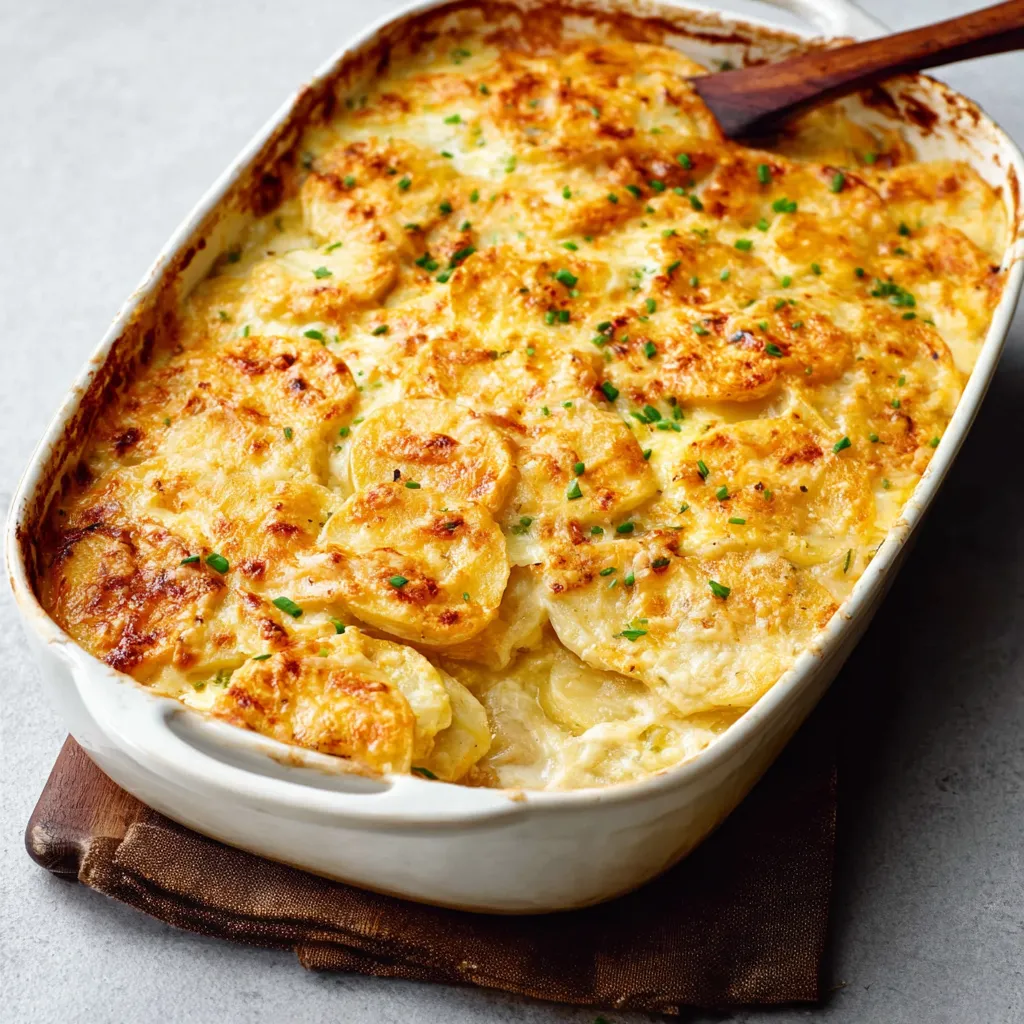
- Golden Brown Top: A beautiful, bubbly, golden-brown top that adds texture and visual appeal.
Gather Your Ingredients: The Foundation of Flavor
The quality of your ingredients directly impacts the final result, so let’s make sure we’re starting strong. Here’s what you’ll need:
- Potatoes: This is the star of the show! I recommend Yukon Gold or Russet potatoes. Yukon Golds have a naturally buttery flavor and hold their shape well, while Russets are starchier and create a creamier sauce. You can even use a combination of both! About 3 pounds should do the trick for a standard 9×13 inch baking dish.
- Onion: A thinly sliced onion adds a subtle sweetness and savory depth. One medium-sized yellow onion is perfect.
- Butter: Butter is essential for richness and flavor. Use unsalted butter so you can control the saltiness of the dish. About 1/4 cup (half a stick) should be enough.
- All-Purpose Flour: A small amount of flour helps thicken the sauce and create that creamy texture we’re after. About 2 tablespoons should be enough.
- Milk: Milk forms the base of the sauce. Whole milk will give you the richest flavor, but 2% will also work well. About 2 cups is a good starting point.
- Heavy Cream: A splash of heavy cream takes the sauce to the next level of indulgence. About 1/2 cup is all you need. You can substitute with more milk if you want a lighter dish.
- Salt and Pepper: Don’t underestimate the importance of seasoning! Freshly ground black pepper is always best.
- Garlic (Optional): If you’re a garlic lover like me, add a clove or two of minced garlic to the sauce for an extra layer of flavor.
- Nutmeg (Optional): A pinch of ground nutmeg adds a warm, subtle spice that complements the potatoes beautifully.
- Cheese (Optional): While not strictly traditional, a layer of shredded cheddar, Gruyere, or Parmesan cheese on top adds a delicious cheesy crust.
Step-by-Step: Creating Scalloped Potato Perfection
Now for the fun part! Follow these steps carefully, and you’ll be enjoying a delicious pan of scalloped potatoes in no time.
Step 1: Prep the Potatoes
Peeling: Peel the potatoes. You can leave a little bit of the peel on for a rustic look, but I prefer them peeled completely. Slicing: This is crucial! Use a mandoline or a sharp knife to slice the potatoes into thin, even slices about 1/8 inch thick. Uniform slices ensure even cooking. If the slices are too thick, they’ll take longer to cook and may not be tender. If you don’t have a mandoline, take your time and focus on getting consistent slices. Trust me, it makes a difference.
Step 2: Build the Flavor Base
Sauté the Onion: In a saucepan, melt the butter over medium heat. Add the sliced onion and cook until softened and translucent, about 5-7 minutes. Don’t let them brown too much. If you’re using garlic, add it in the last minute of cooking.
Step 3: Create the Creamy Sauce
Make a Roux: Sprinkle the flour over the cooked onions and stir constantly for 1-2 minutes. This creates a roux, which will thicken the sauce. Be sure to cook out the raw flour taste. Add the Milk and Cream: Gradually whisk in the milk and heavy cream, stirring constantly to prevent lumps from forming. Bring the mixture to a simmer over medium heat, stirring occasionally. Season: Season the sauce with salt, pepper, and nutmeg (if using). Taste and adjust the seasoning as needed. Remember, you can always add more salt, but you can’t take it away! The sauce should be slightly thicker than heavy cream. If it’s too thin, simmer it for a few more minutes, stirring constantly. If it’s too thick, add a splash more milk.
Step 4: Assemble the Scalloped Potatoes
Layering: Grease a 9×13 inch baking dish with butter. Arrange a layer of potato slices in the bottom of the dish, overlapping slightly. Top with a layer of sliced onion. Pour about one-third of the sauce over the potatoes and onions. Repeat the layers two more times, ending with a layer of sauce. Press Down: Gently press down on the potatoes with your hands or a spatula to ensure they are submerged in the sauce. This helps them cook evenly.
Step 5: Bake to Golden Perfection
Cover and Bake: Cover the baking dish tightly with aluminum foil. This helps the potatoes steam and cook through evenly. Bake in a preheated oven at 375°F (190°C) for 45 minutes. Uncover and Brown: Remove the foil and continue baking for another 15-20 minutes, or until the potatoes are tender and the top is golden brown and bubbly. If you’re using cheese, sprinkle it on top during the last 5 minutes of baking.
Step 6: Rest and Serve
Resting: Let the scalloped potatoes rest for at least 10 minutes before serving. This allows the sauce to thicken and the flavors to meld together. Serving: Serve hot and enjoy!
Troubleshooting: Common Scalloped Potato Problems and Solutions
Even with the best recipe, things can sometimes go wrong. Here are some common issues and how to fix them:
- Potatoes are Undercooked: Make sure your potato slices are thin and even. If the potatoes are still undercooked after the initial baking time, cover the dish with foil and continue baking until tender.
- Sauce is Too Thin: If the sauce is too thin, simmer it on the stovetop for a few minutes, stirring constantly, until it thickens. You can also mix a tablespoon of cornstarch with a tablespoon of cold water and whisk it into the sauce to thicken it quickly.
- Sauce is Too Thick: If the sauce is too thick, add a splash more milk or cream until it reaches the desired consistency.
- Top is Not Browned: If the top of the scalloped potatoes isn’t browning, broil it for a minute or two, watching carefully to prevent burning.
Variations: Spice Up Your Scalloped Potatoes
Scalloped potatoes are a blank canvas for flavor! Here are some fun variations to try:
- Cheesy Scalloped Potatoes: Add a layer of shredded cheddar, Gruyere, or Parmesan cheese on top before baking.
- Ham and Scalloped Potatoes: Add diced ham to the layers for a hearty and flavorful dish.
- Jalapeño Scalloped Potatoes: Add diced jalapeños to the sauce for a spicy kick.
- Mushroom Scalloped Potatoes: Sauté sliced mushrooms with the onions for an earthy flavor.
- Sweet Potato Scalloped Potatoes: Use sweet potatoes instead of regular potatoes for a sweeter and more colorful dish.
Serving Suggestions: What to Serve with Scalloped Potatoes
Scalloped potatoes are a versatile side dish that pairs well with a variety of main courses. Here are some of my favorites:
- Roast Chicken: A classic pairing!
- Meatloaf Mashed Potatoeseer: A comforting and satisfying combination.
- Ham: Perfect for holidays or special occasions.
- Steak: A rich and decadent meal.
- Pork Chops: A simple and flavorful weeknight dinner.
- Garlic Parmesan Potato Chicken!: A flavorful and easy-to-make meal.
Other Delicious Potato Recipes to Explore
If you’re a potato lover like me, you’ll definitely want to try these other delicious potato recipes:
- Crockpot Chicken Potato Perfection: A flavorful and easy crockpot meal.
- Creamy Potato Soup: A comforting and warming soup perfect for chilly days.
- Steak Cheddar Potato Perfection: This recipe promises a delicious combination of steak, cheddar, and potatoes.
- Air Fryer Mushroom Potato Perfection: A quick and easy side dish with earthy flavors.
Tips and Tricks for Scalloped Potato Success
- Use a Mandoline: A mandoline is your best friend for creating thin, even potato slices.
- Don’t Overcook the Onions: The onions should be softened and translucent, not browned.
- Season Generously: Don’t be afraid to season the sauce well with salt and pepper.
- Let it Rest: Allowing the scalloped potatoes to rest for at least 10 minutes after baking allows the sauce to thicken and the flavors to meld.
- Experiment with Cheese: Try different types of cheese to find your favorite combination.
Storage and Reheating: Making the Most of Your Leftovers
Scalloped potatoes are even better the next day! Store leftovers in an airtight container in the refrigerator for up to 3 days. To reheat, bake in a preheated oven at 350°F (175°C) until heated through. You can also microwave individual portions for a quick and easy meal.
Final Thoughts: Embrace the Scalloped Potato Journey
Making scalloped potatoes may seem daunting at first, but with a little practice and these helpful tips, you’ll be creating a delicious and comforting dish in no time. Don’t be afraid to experiment and make it your own. So, gather your ingredients, preheat your oven, and get ready to embark on a scalloped potato adventure! Happy cooking!
What types of potatoes are recommended for making scalloped potatoes and why?
The recipe recommends Yukon Gold or Russet potatoes. Yukon Golds have a buttery flavor and hold their shape well, while Russets are starchier and create a creamier sauce. A combination of both can also be used.
Why is it important to slice the potatoes thinly and evenly?
Thin, even slices ensure the potatoes cook evenly. If the slices are too thick, they will take longer to cook and may not be tender.
What can I do if my scalloped potato sauce is too thin?
If the sauce is too thin, simmer it on the stovetop for a few minutes, stirring constantly, until it thickens. Alternatively, mix a tablespoon of cornstarch with a tablespoon of cold water and whisk it into the sauce.
How should I store and reheat leftover scalloped potatoes?
Store leftovers in an airtight container in the refrigerator for up to 3 days. Reheat in a preheated oven at 350°F (175°C) until heated through, or microwave individual portions.
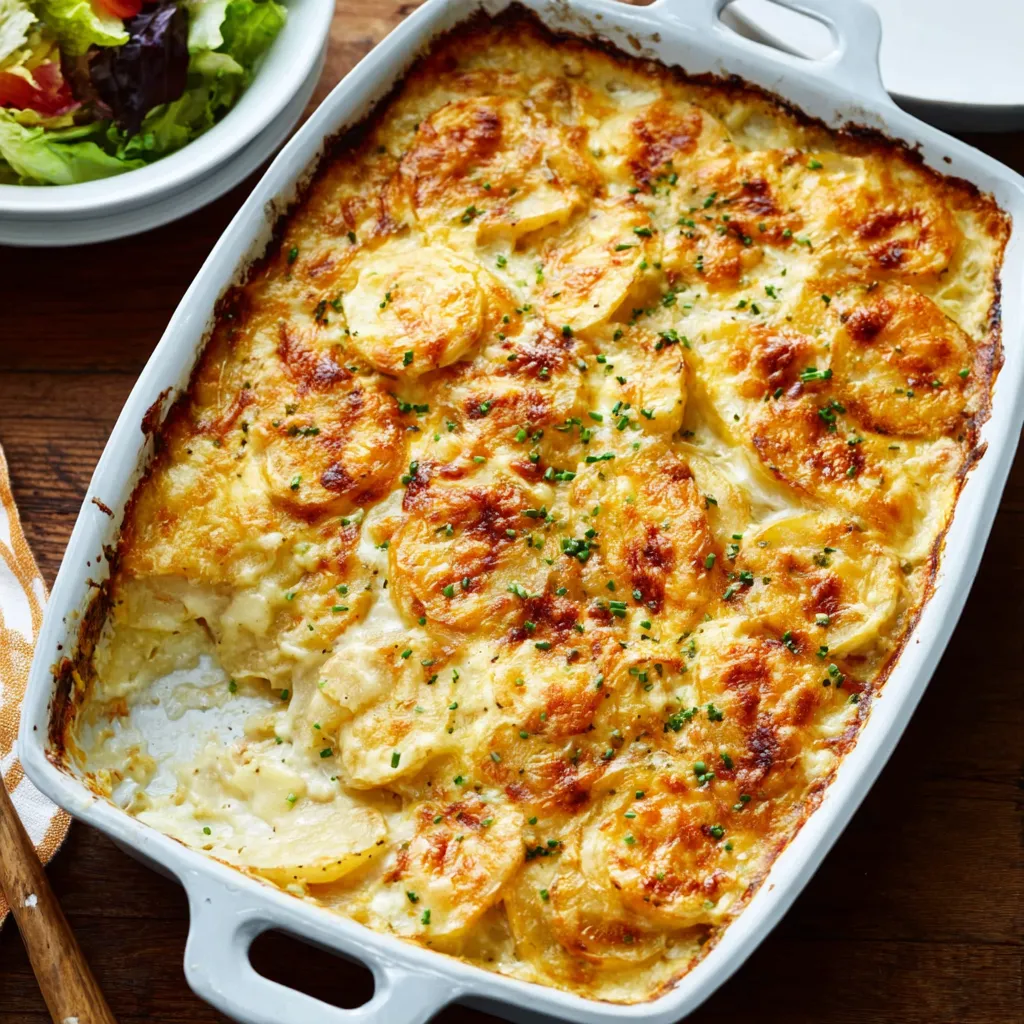

Perfect Scalloped Potatoes
Ingredients
Equipment
Method
- Preheat oven to 375°F (190°C). Grease a 9×13 inch baking dish with butter.
- Peel and thinly slice the potatoes using a mandoline or sharp knife. Aim for slices about 1/8 inch thick.
- In a saucepan, melt the butter over medium heat. Add the sliced onion and cook until softened and translucent, about 5-7 minutes. If using garlic, add it in the last minute of cooking.
- Sprinkle the flour over the cooked onions and stir constantly for 1-2 minutes to create a roux.
- Gradually whisk in the milk and heavy cream, stirring constantly to prevent lumps. Bring the mixture to a simmer over medium heat, stirring occasionally.
- Season the sauce with salt, pepper, and nutmeg (if using). Taste and adjust the seasoning as needed. The sauce should be slightly thicker than heavy cream.
- Arrange a layer of potato slices in the bottom of the greased baking dish, overlapping slightly. Top with a layer of sliced onion. Pour about one-third of the sauce over the potatoes and onions.
- Repeat the layers two more times, ending with a layer of sauce.
- Gently press down on the potatoes with your hands or a spatula to ensure they are submerged in the sauce.
- Cover the baking dish tightly with aluminum foil.
- Bake in the preheated oven for 45 minutes.
- Remove the foil and continue baking for another 15-20 minutes, or until the potatoes are tender and the top is golden brown and bubbly. If using cheese, sprinkle it on top during the last 5 minutes of baking.
- Let the scalloped potatoes rest for at least 10 minutes before serving.